
Cooking Techniques
Technique is the backbone of good cooking. You can have the finest ingredients in the world, but without the right skills and methods, their potential goes to waste. This page is dedicated to breaking down the fundamental and advanced techniques used in kitchens everywhere — from the basics every cook should know to the refined methods that define professional cooking. Whether you're learning to sauté for the first time or looking to deepen your understanding of classical French methods, you'll find clear, practical guidance here that translates directly to better results on the plate.

Heat & Cooking Methods
Sautéing, frying, and stir-frying
Roasting and baking
Grilling and charring
Steaming and poaching
Braising and stewing
Slow cooking
Knife Skills & Preparation
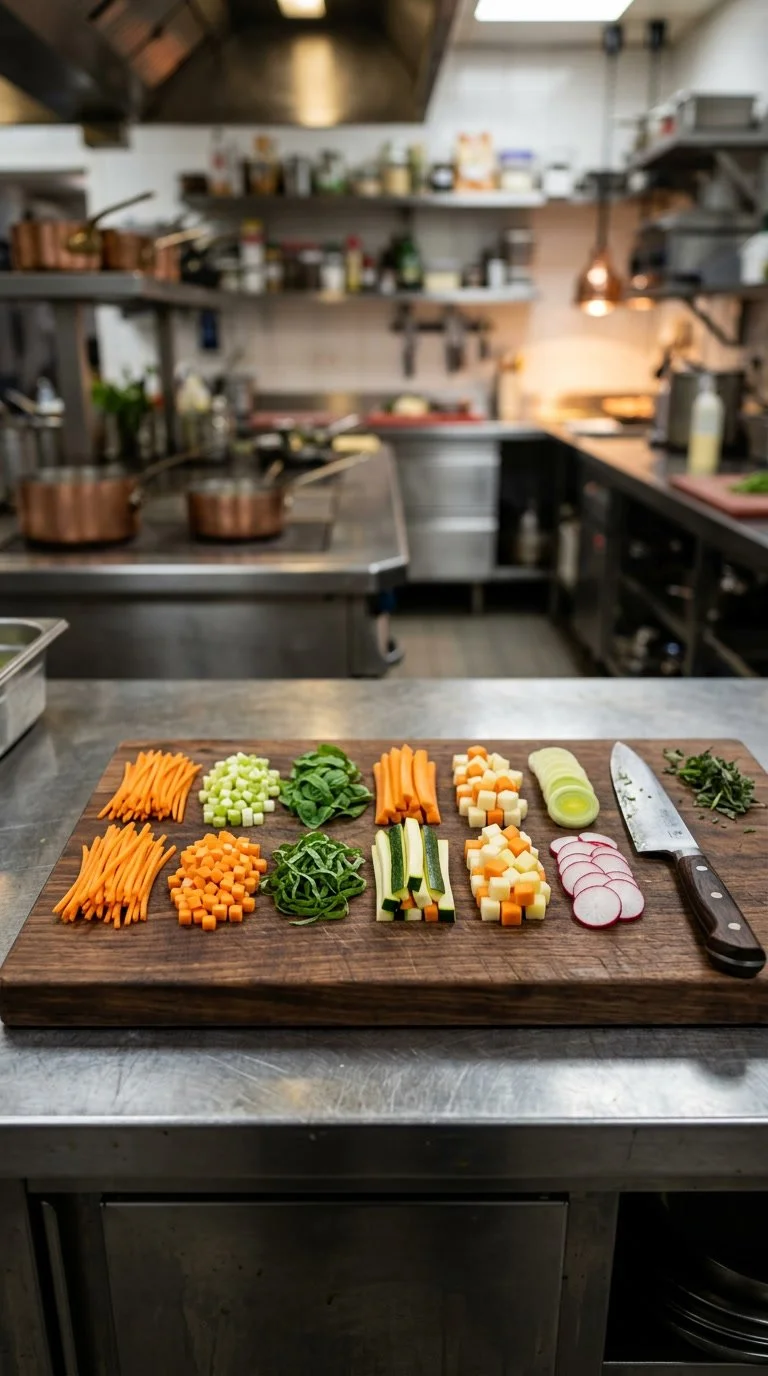
Basic knife techniques and cuts
Julienne, brunoise, chiffonade and other classical cuts
Preparing meat, poultry, and fish
Preparing vegetables and herbs

Stock, Sauces & Soups
Building a good stock from scratch
The five mother sauces explained
Derivative sauces and modern variations
Soups — clear, cream, and chunky
Meat & Poultry Techniques
Marinating, brining, and seasoning
Trussing and tying
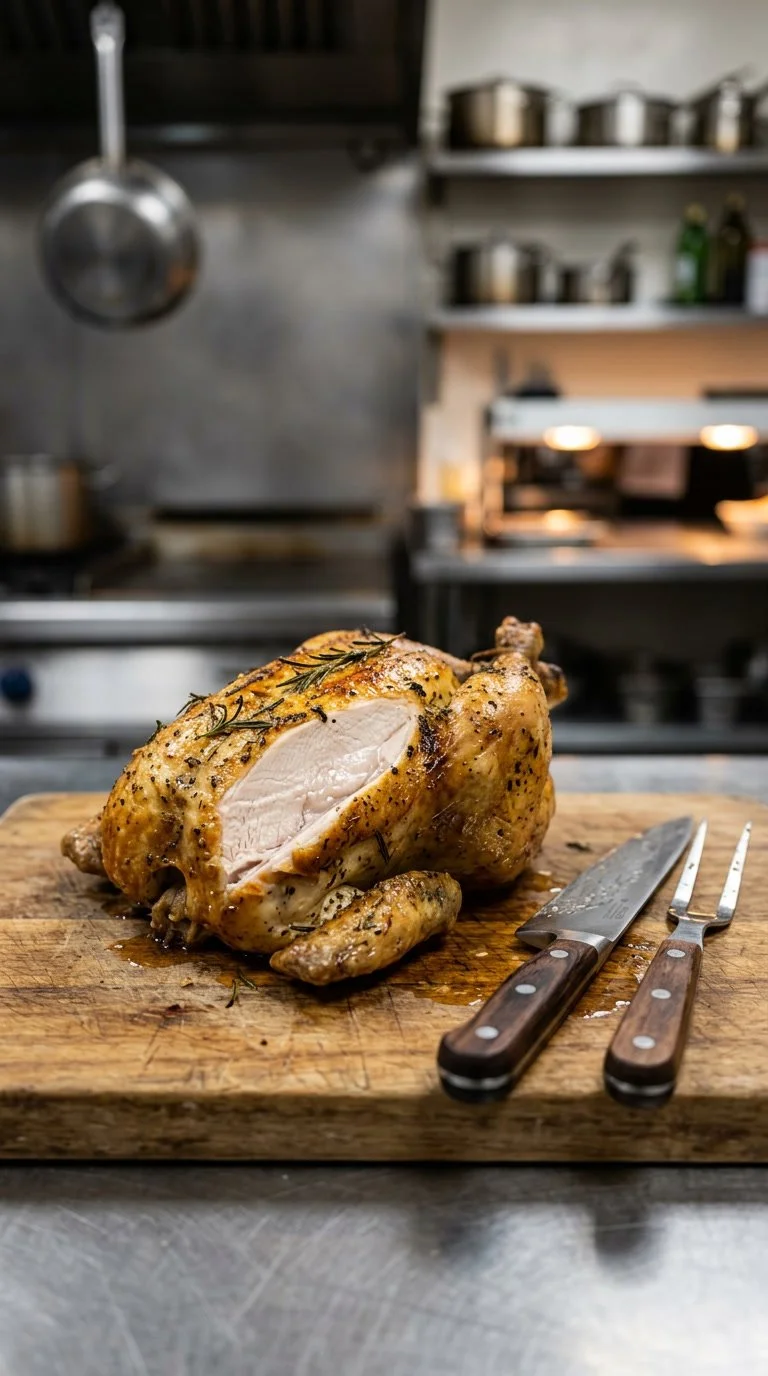
Resting and carving
Achieving the right internal temperature

Fish & Seafood Techniques
Filleting and skinning fish
Cooking delicate proteins without overcooking
Shellfish preparation and cooking methods
Curing and smoking fish at home
Pastry & Baking Techniques
Shortcrust, puff, and choux pastry
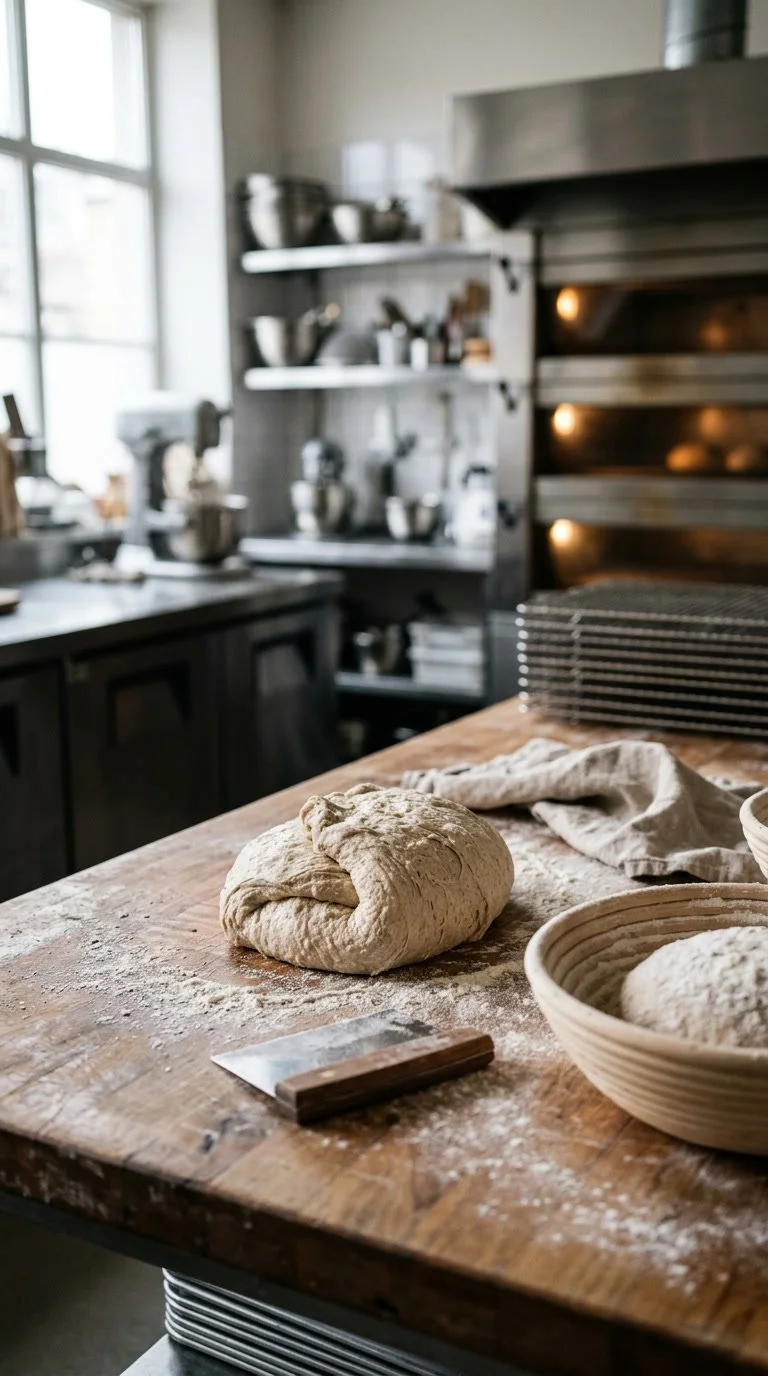
Bread making and shaping
Creaming, folding, and whisking methods
Working with chocolate and sugar

Classical French Techniques
Mise en place and kitchen discipline
Classical preparation methods every cook should know
Brigade system and professional kitchen structure
The foundations of French cuisine

Modern & Advanced Techniques
Sous vide cooking
Spherification and gels
Foams, emulsions, and modern textures
Dehydration and fermentation as techniques
Plating & Finishing
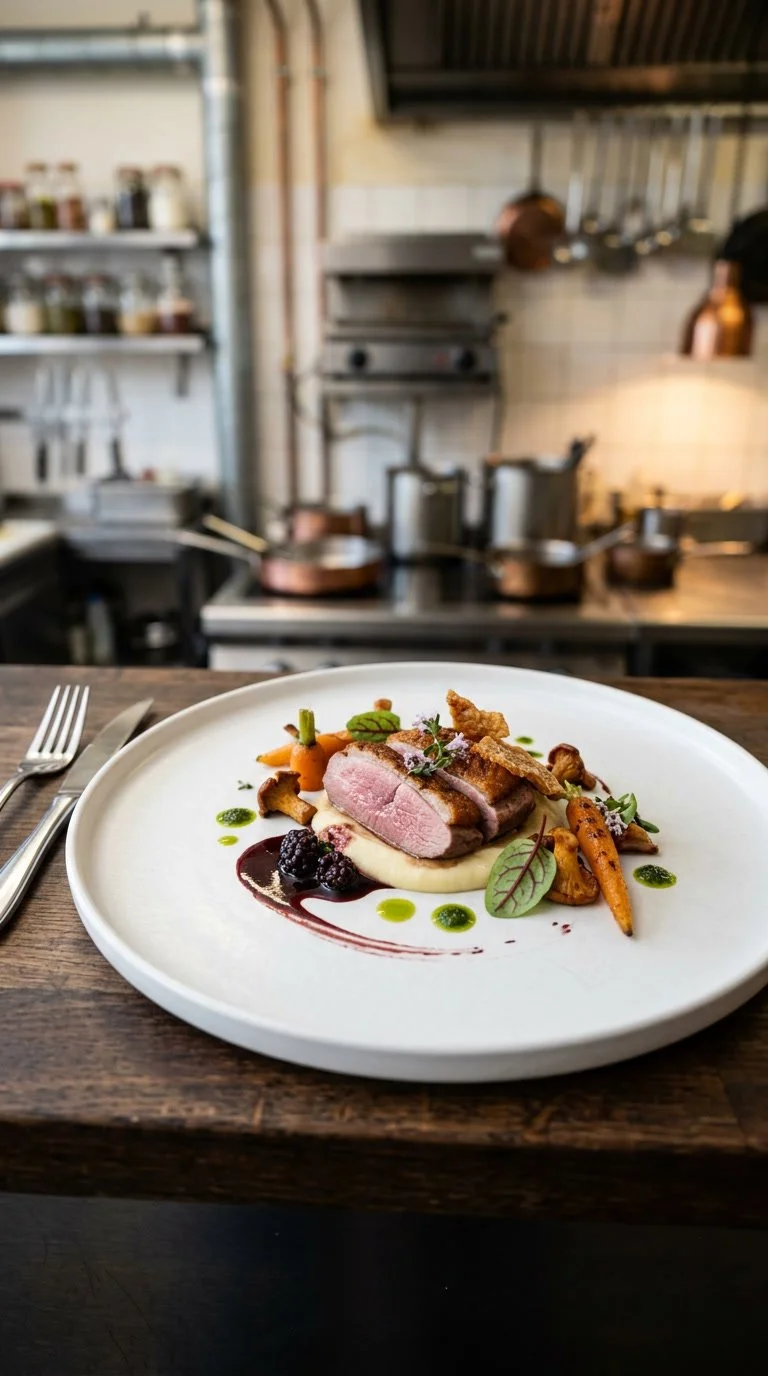
Balancing flavour, texture, and colour on the plate
Classical vs modern plating styles
Garnishing with purpose
Portioning and consistency
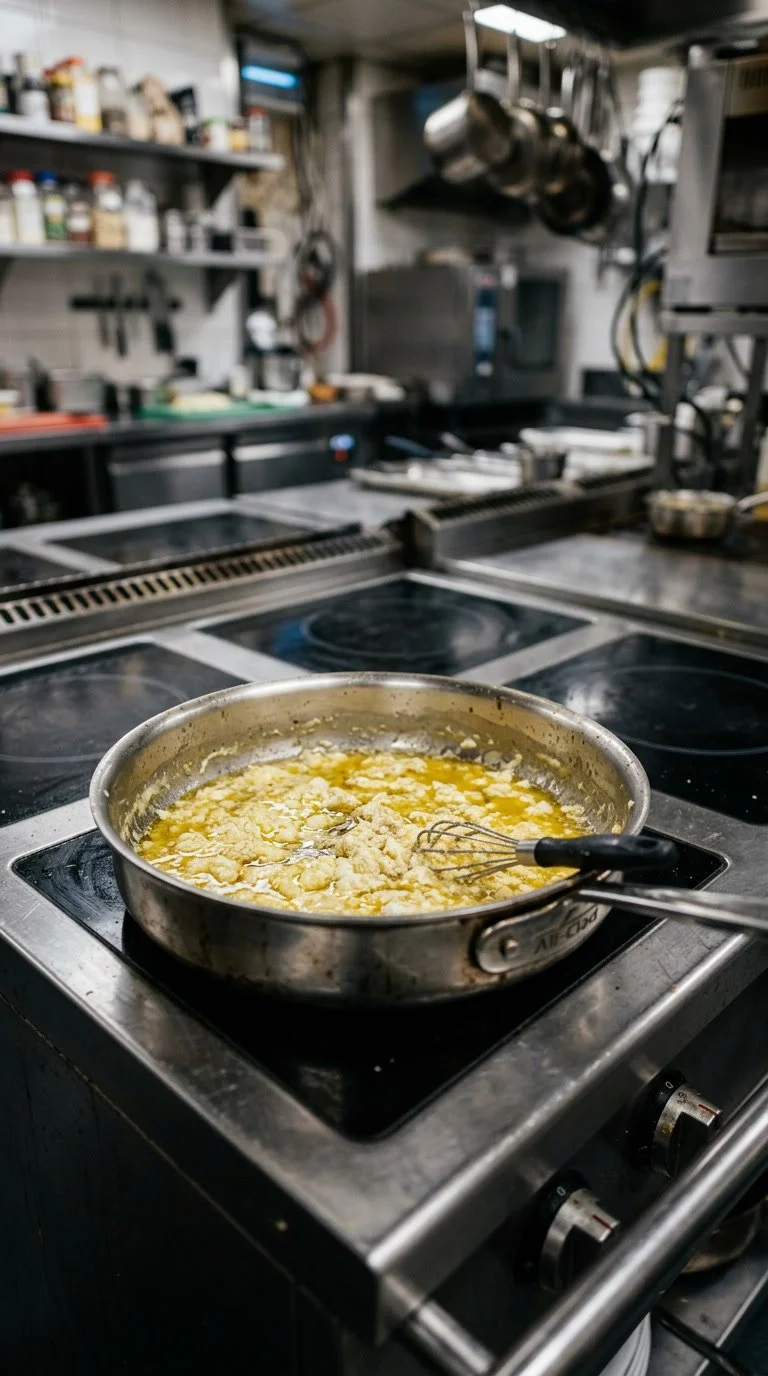
Troubleshooting & Common Mistakes
How to fix an overseasoned dish
Rescuing a broken sauce
Why dishes go wrong and how to prevent it
Common beginner mistakes and how to avoid them
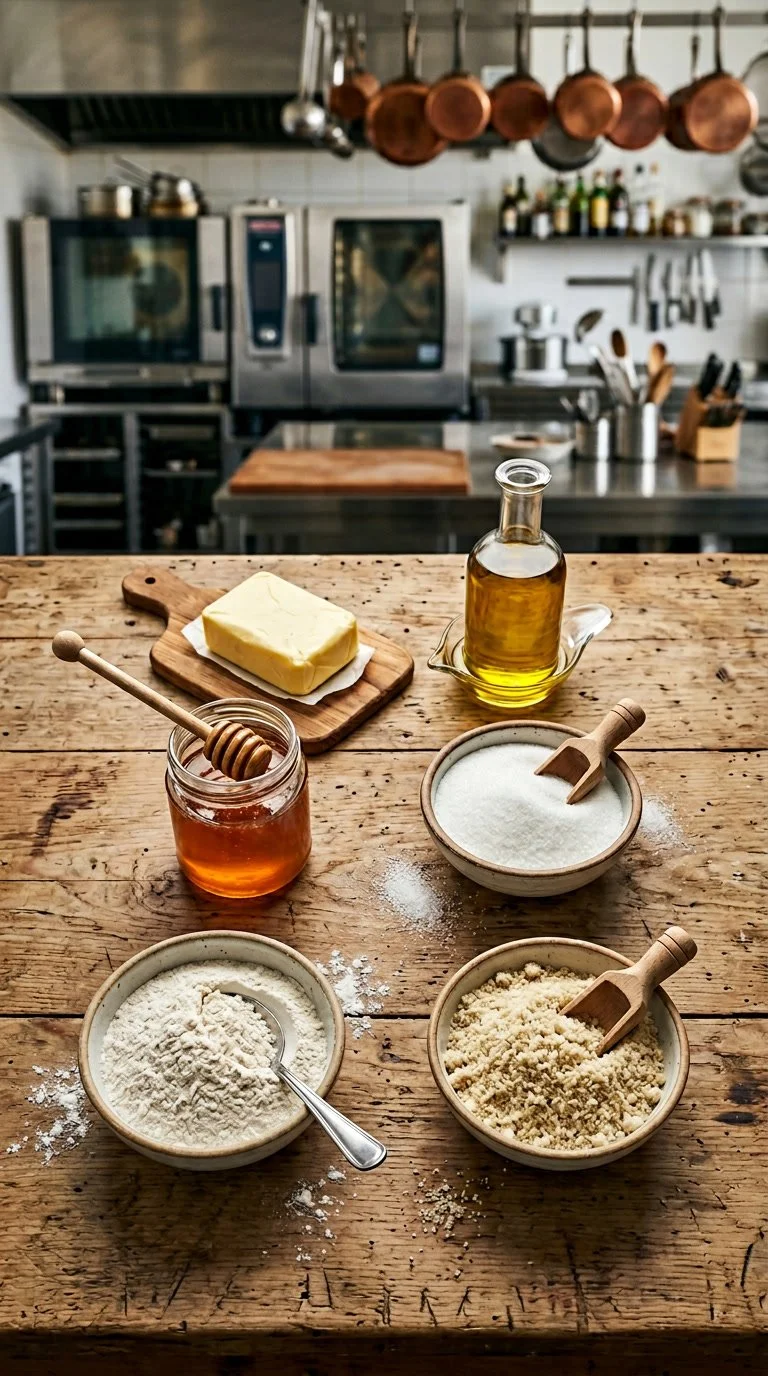
Adapting & Substituting
How to swap ingredients without losing the dish
Adjusting recipes for different portions and yields
Cooking without specialist tools or equipment
Making the most of what you have in the kitchen
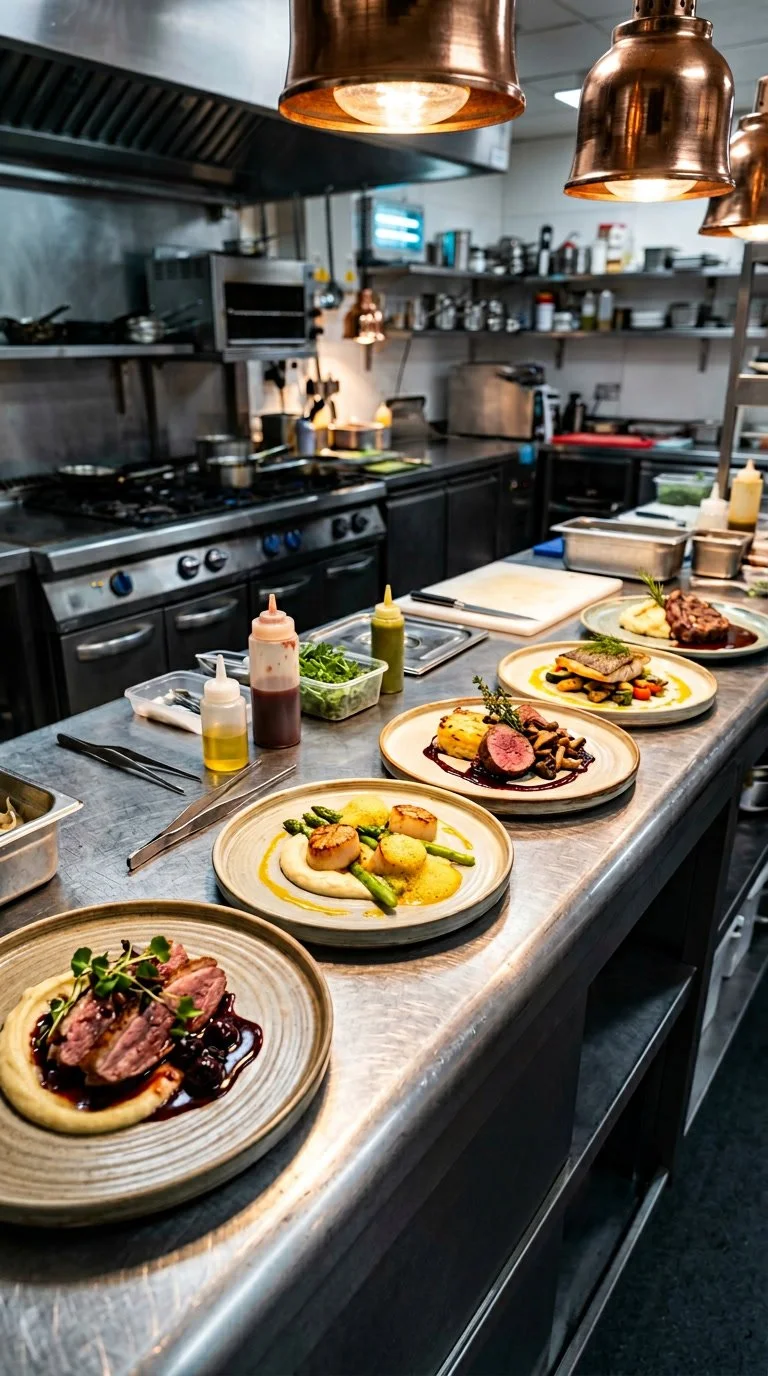
Speed & Efficiency in the Kitchen
How professional kitchens manage time
Multitasking and workflow in the kitchen
Batch cooking and preparation strategies
Building speed without sacrificing quality
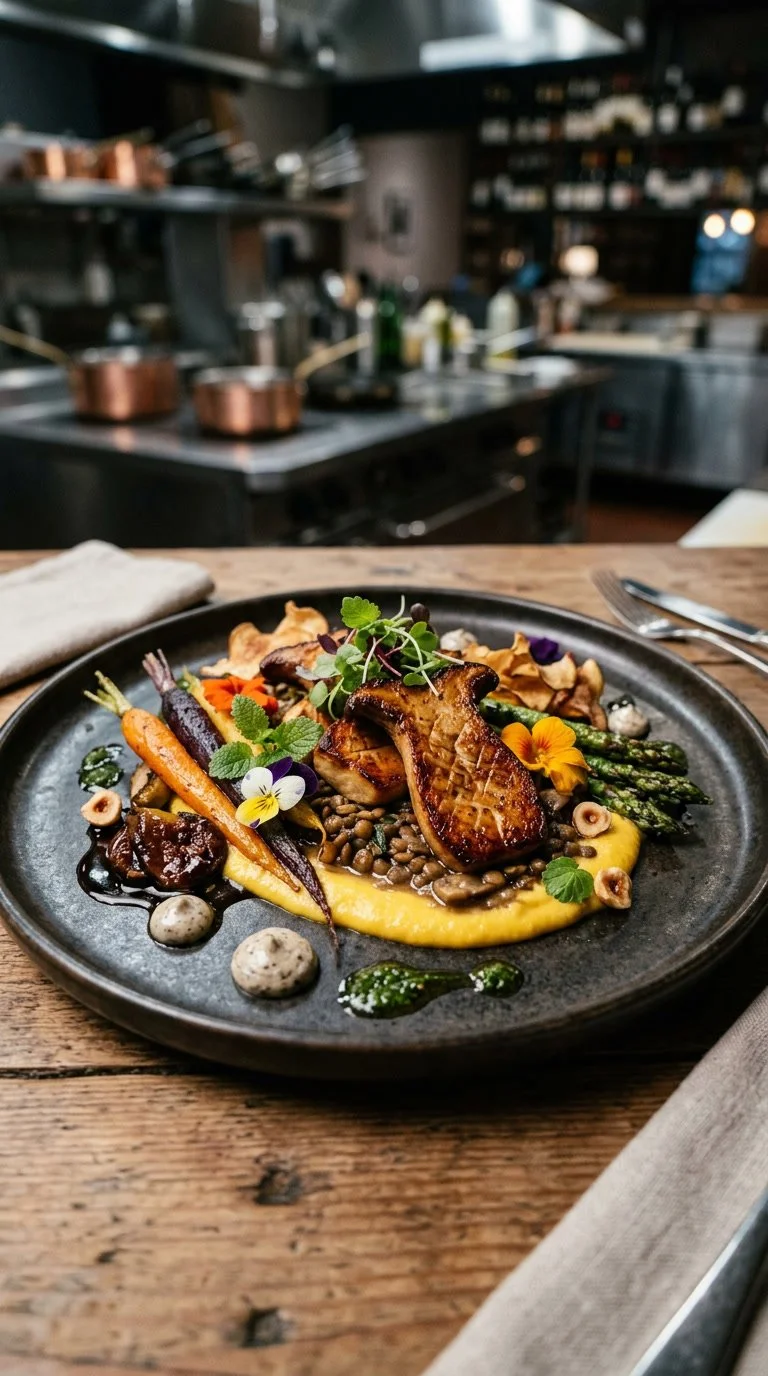
Cooking for Different Diets
Adapting classic recipes for vegan and vegetarian diets
Gluten-free cooking techniques and substitutions
Cooking for allergens — what every cook should know
Balancing nutrition without compromising on flavour

Fermentation & Preservation Techniques
Pickling and brining at home
Basic fermentation — kimchi, sauerkraut, and more
Curing and smoking as preservation methods
Understanding the science behind preservation

Cooking on a Budget
Maximising every ingredient with minimal waste
Affordable cuts of meat and how to cook them well
Building flavourful dishes from simple, inexpensive ingredients
Smart shopping and meal planning for the kitchen

Cooking by Ingredient
Mastering eggs — boiling, poaching, scrambling, and beyond
Working with dairy — cream, butter,
cheese, and their uses
Grains and legumes
Getting the most out of vegetables,
herbs, and spices

Sensory Cooking
Developing your palate and trusting your instincts
Cooking beyond the recipe — learning to taste and adjust
Understanding balance — salt, acid, fat, and heat
How smell, texture, and colour guide better cooking

Cooking for a Crowd
Scaling recipes up without losing quality
Timing and coordinating large meals
Keeping food warm and fresh when serving groups
Planning and preparation strategies for feeding a crowd

Leftover Cooking
Transforming leftovers into entirely new dishes
Creative ways to use up what's in the fridge
Reducing food waste without compromising on flavour
Building a leftover-friendly cooking mindset

Cooking with Fire
Open flame cooking — techniques and safety
Wood-fired ovens and how to get the best from them
Charcoal, ember, and ash cooking methods
Understanding and controlling heat from live fire

Seasonal Cooking
Why cooking seasonally makes food taste better
Adapting your techniques to what's available throughout the year
Building dishes around seasonal produce
How professional kitchens plan menus around the seasons

Breakfast & Brunch Techniques
Perfecting eggs every way — fried,
poached, scrambled, and baked
Pancakes, waffles, and morning pastries done right
Building a balanced and impressive brunch spread
Classic breakfast dishes from around the world

One Pot & Tray Cooking
Maximising flavour with minimal equipment
The art of a good tray bake
One pot pasta, stews, and rice dishes
Timing and layering ingredients for even cooking

Cooking with Alcohol
Deglazing and building depth of flavour
Wine, beer, and spirits in cooking — when and how to use them
Flambéing safely and effectively
How alcohol affects the flavour and texture of a dish
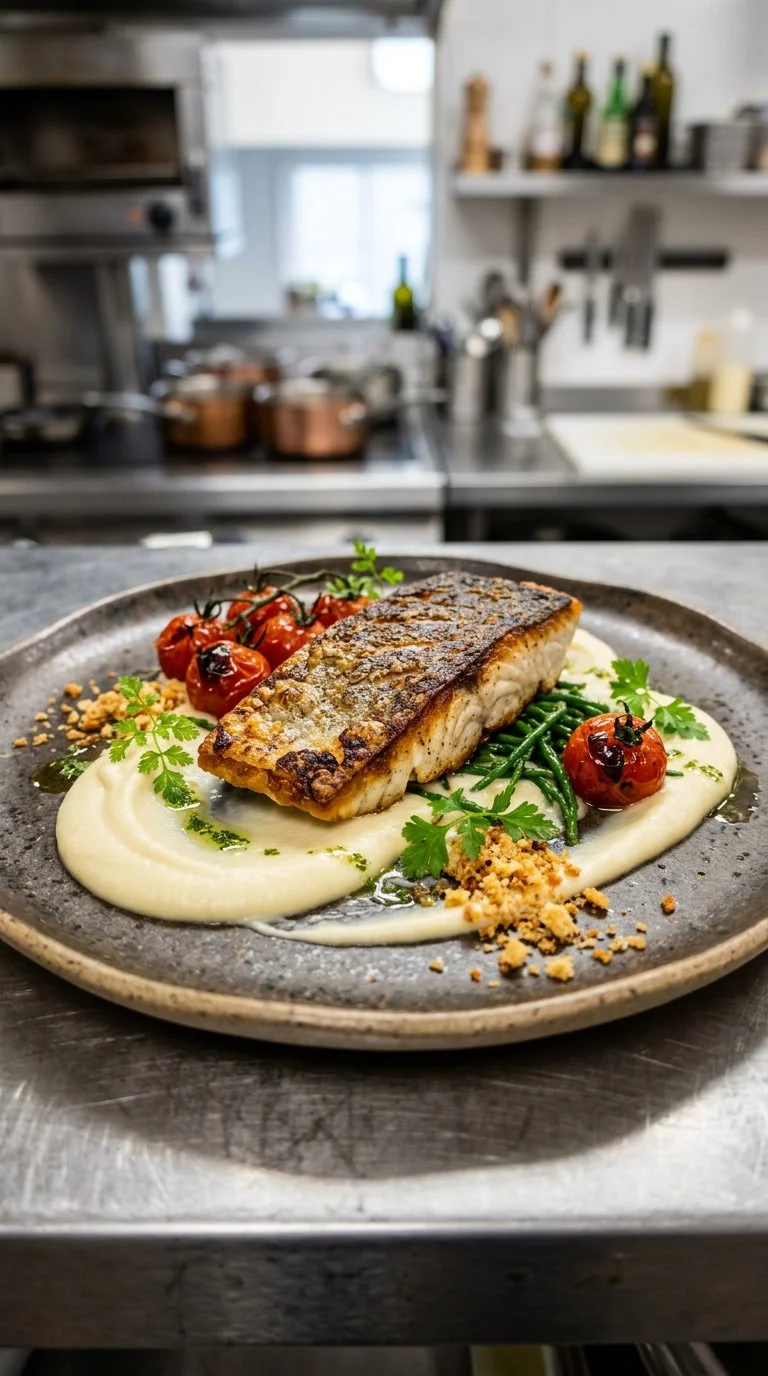
Texture & Contrast
Why texture is just as important as flavour
Achieving the perfect crust, crunch, and crisp
Balancing soft, creamy, and tender elements in a dish
Using contrast to make every bite more interesting

Cooking for Special Occasions
Planning and executing a multi-course dinner party
Impressive dishes that are more manageable than they look
Timing and coordinating a celebratory meal
Holiday cooking — preparation, tradition,
and technique
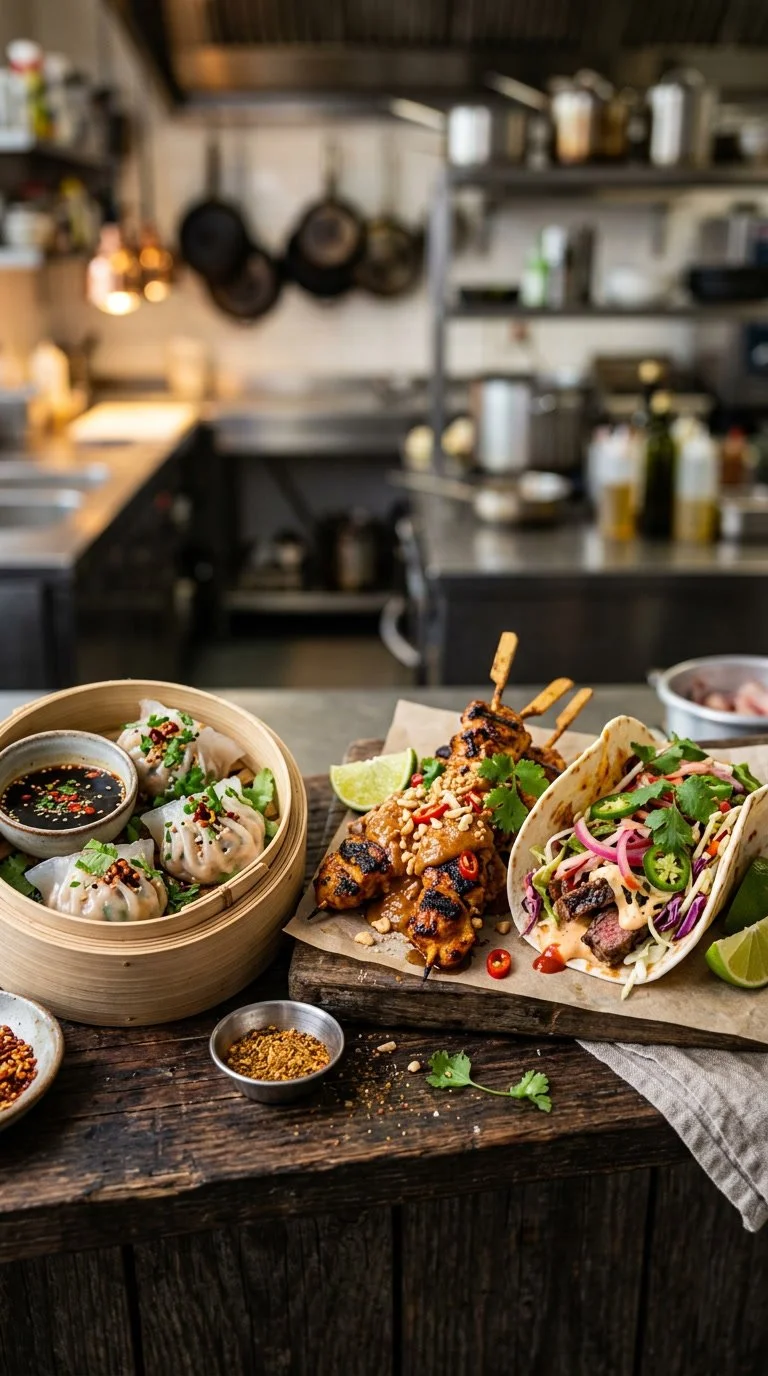
Street Food & Casual Cooking
The techniques behind bold, quick, and flavourful street food
Global street food traditions and what we can learn from them
Recreating street food favourites at home
Casual cooking without cutting corners on flavour

Comfort Food & Soul Cooking
The techniques behind truly satisfying, hearty dishes
Why slow cooking and patience make all
the difference
Classic comfort dishes from around the world
Elevating everyday comfort food with professional know-how
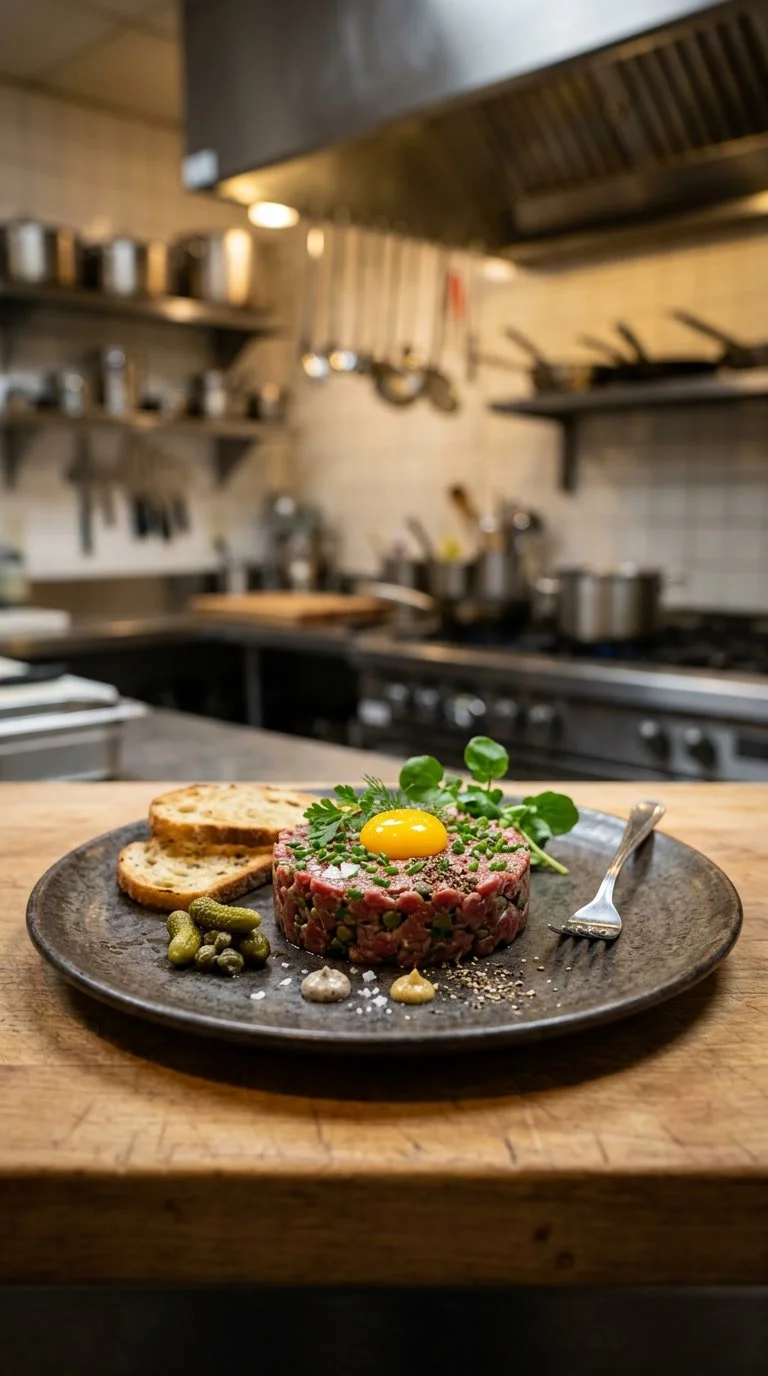
Raw & No-Cook Techniques
The art of ceviche, tartare, and raw preparations
Building flavour without heat
Knife skills and precision in raw dishes
Dressings, marinades, and acids as cooking tools

Sauce & Condiment Making
Homemade sauces, dips, and dressings from scratch
Classic condiments and their modern variations
Balancing flavour in a sauce — acid, salt, fat, and sweetness
Storing and preserving homemade condiments safely
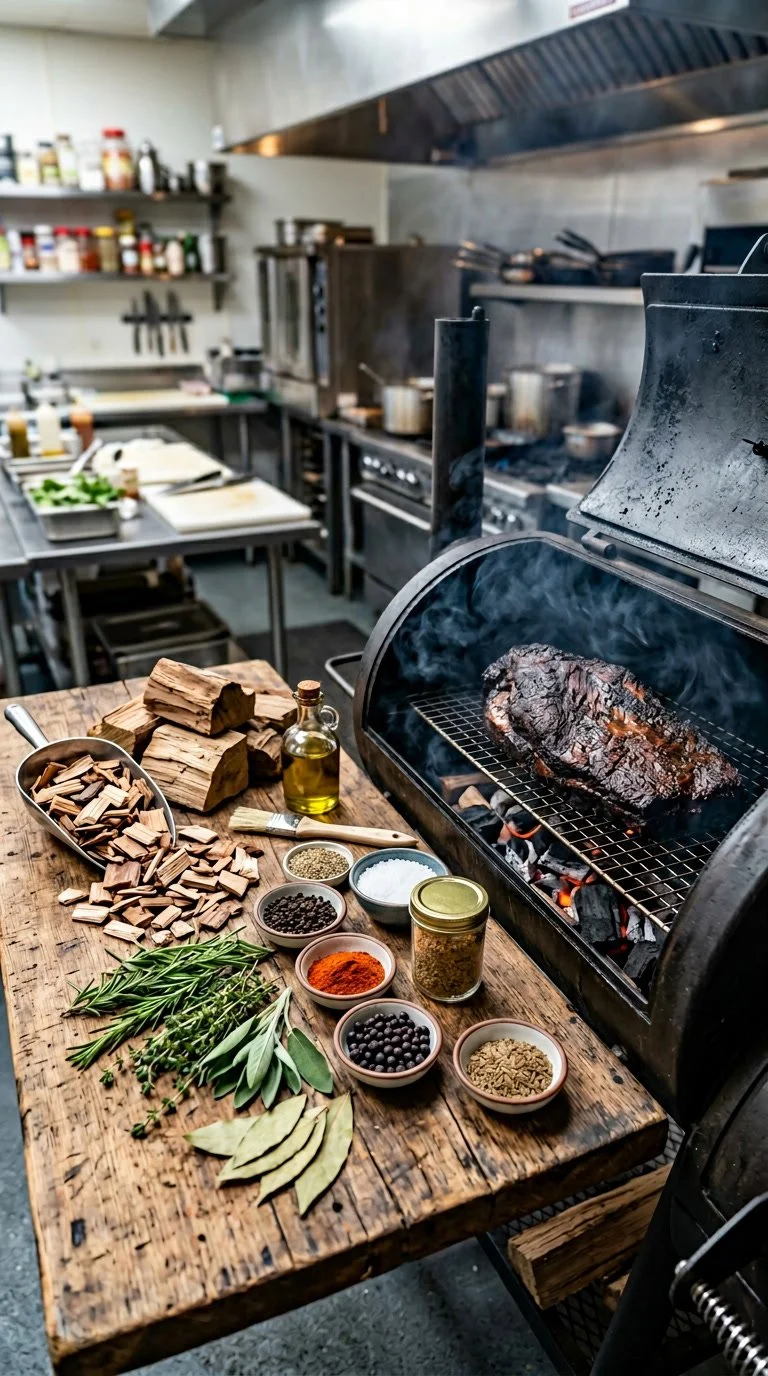
Smoking & Infusing
Cold and hot smoking techniques explained
Infused oils, butters, and flavoured salts
Building depth of flavour through smoke and infusion
Equipment and setup for smoking at home

Cooking with Leftovers
Reinventing yesterday's meal into
something new and exciting
Smart strategies for using up every
part of an ingredient
Leftover-friendly recipes and techniques
How professional kitchens minimise waste creatively