
EVERYDAY FOOD SCIENCE
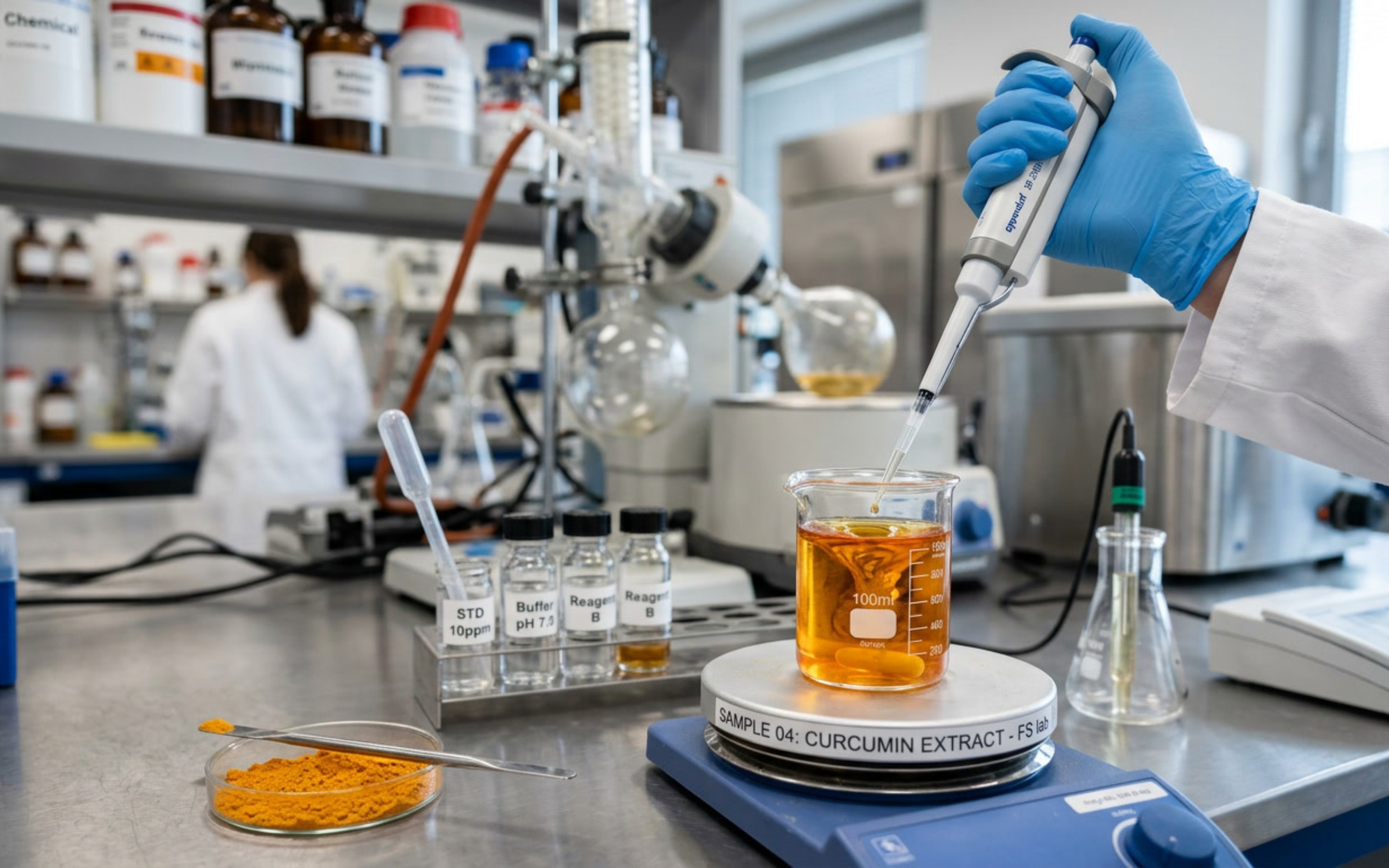
Some of the most important culinary knowledge is not found in advanced techniques or professional training programmes — it is hidden in plain sight, in the everyday questions that most cooks never stop to ask. Why does rested meat taste better? Why does pasta water work magic in a sauce? Why does cold butter make flakier pastry? Why do overcooked vegetables turn grey and limp? These are not trivial questions. They are windows into the science that underpins everything that happens in a kitchen — and understanding the answers makes you a measurably better cook, regardless of your level of experience.
Everyday food science is the bridge between theory and practice. It takes the chemistry, physics, and biology of cooking and anchors them in the real, practical moments that every cook encounters — the resting meat on the chopping board, the pasta boiling on the stove, the butter being worked into flour, the vegetables wilting in the pan. It is science you can taste, see, and feel — and once you understand it, you cannot unknow it.
Why Resting Meat Matters
Resting meat after cooking is one of the most consistently recommended — and most consistently ignored — pieces of culinary advice. Many cooks, particularly at home, cut into a piece of meat the moment it comes off the heat, watch the juices pour onto the board, and wonder why the result is drier than expected. The answer lies in understanding what heat does to the structure of meat during cooking, and what happens when that process is interrupted too soon.
What Happens to Meat During Cooking
Meat is composed primarily of muscle fibres — long, cylindrical cells bundled together and surrounded by connective tissue. These fibres contain water — meat is approximately 75% water by weight — along with proteins, fat, and various flavour compounds. When meat is exposed to heat, several things happen simultaneously.
The proteins within the muscle fibres — primarily myosin and actin — begin to denature and coagulate, causing the fibres to contract and tighten. This contraction squeezes moisture from the fibres toward the centre of the meat — the cooler, less-cooked interior — where the proteins have not yet denatured fully and the fibres have not yet contracted as tightly. The result is a significant moisture gradient — the outer layers of the meat have lost moisture through evaporation and protein contraction, while the centre has a higher moisture concentration.
Additionally, the outermost layers of the meat — particularly if it has been seared — are significantly hotter than the interior. Heat continues to move from the exterior to the interior even after the meat is removed from the heat source — a phenomenon known as carry-over cooking. A thick steak removed from the pan at an internal temperature of 52°C will continue to cook as the residual heat in the exterior layers moves inward, potentially raising the internal temperature by a further 3°C to 7°C depending on the thickness of the cut and the intensity of the cooking method.
What Happens When Meat Rests
During resting, two important processes occur. First, the muscle fibres — no longer under the stress of active heat — begin to relax. As they relax, their capacity to retain moisture increases, and the moisture that was driven to the centre during cooking begins to redistribute more evenly throughout the meat. Second, the temperature gradient between the exterior and interior of the meat equalises, producing a more consistent internal temperature throughout the cut.
The practical result of these two processes is significant. A steak cut immediately after cooking will lose a noticeably larger quantity of juice onto the chopping board than one that has been rested for an appropriate period. Those lost juices represent both moisture — which affects the perceived succulence of the meat — and flavour compounds dissolved in that moisture. Resting is not merely a suggestion — it is the difference between a good piece of meat and a great one.
How Long to Rest
The appropriate resting time depends on the size and thickness of the cut. As a general principle, the larger the piece of meat, the longer the resting time required. A thin chicken breast or a small steak benefits from three to five minutes of resting. A thick ribeye or a duck breast needs seven to ten minutes. A whole roast chicken needs fifteen to twenty minutes. A large joint of beef — a rib roast or a whole fillet — benefits from resting for thirty minutes or more.
During resting, meat should be placed in a warm environment — not covered tightly with foil, which traps steam and softens any crust that has been developed, but loosely tented to retain warmth. A warm plate, a low oven with the door open, or simply a warm corner of the kitchen will all work well.
The Role of Carry-Over Cooking
Understanding carry-over cooking allows you to use resting time strategically. If you want a steak to be served at 57°C — a perfect medium rare — you should remove it from the heat when the internal temperature reaches approximately 52°C to 54°C, knowing that carry-over cooking will bring it to the target temperature during resting. Removing the meat at the precise target temperature and then resting it will result in a slightly overcooked final product.
This principle applies to all proteins — not just red meat. A roast chicken should be removed from the oven when the thickest part of the thigh reads approximately 70°C, as carry-over cooking will bring it to the safe serving temperature of 74°C during resting. A piece of fish, which is considerably thinner and more delicate, has less carry-over but still benefits from a brief rest before serving.
Why Pasta Water is So Useful
The water in which pasta has been cooked is one of the most underutilised and underappreciated ingredients in the kitchen. The instruction to save a cup of pasta water before draining appears in countless recipes, often without adequate explanation of why — leaving many cooks unsure whether it truly matters or whether it is merely a professional affectation. It truly matters, and understanding why transforms the way you finish pasta dishes.
What Pasta Water Actually Contains
When pasta is cooked in boiling water, starch leaches from the surface of the pasta into the cooking water. As the pasta cooks, this starch dissolves into the water, creating a liquid that is not just water but a starch solution — a liquid with thickening and emulsifying properties quite different from plain water.
Additionally, if the pasta water has been properly salted — as it should be, seasoned to taste like mildly salted water — it contains a significant concentration of dissolved salt that contributes seasoning to the dish. The combination of starch, salt, and water makes pasta cooking liquid a remarkably functional culinary ingredient.
How Pasta Water Works in a Sauce
When pasta water is added to a sauce — particularly an oil-based or butter-based sauce — the dissolved starch acts as an emulsifier, helping to bind the fat and water-based components of the sauce together into a smooth, cohesive, glossy mixture that coats the pasta evenly. Without pasta water, an oil-based sauce tends to sit on the surface of the pasta rather than coating it — the fat and water do not combine, and the sauce is greasy and poorly integrated.
This is the fundamental technique behind some of Italy's most celebrated pasta dishes. Cacio e pepe — one of the simplest and most technically demanding of all pasta dishes — relies entirely on the starch in pasta water to emulsify pecorino romano cheese and black pepper into a smooth, creamy sauce with no cream whatsoever. Carbonara uses pasta water in combination with egg yolk and cheese to create its characteristic silky texture. Aglio e olio — garlic, olive oil, and pasta — is transformed from a simple mixture of two non-combining ingredients into a unified, beautifully cohesive dish by the addition of starchy pasta water.
Adjusting Sauce Consistency
Beyond emulsification, pasta water serves a practical function in adjusting the consistency of a sauce. Pasta continues to absorb liquid as it sits — particularly after being added to a hot sauce — which means that a sauce of perfect consistency in the pan can quickly become too thick and dry once plated. Adding a splash of pasta water to the sauce as you finish the dish allows you to adjust consistency precisely, keeping the sauce loose enough to coat every strand without becoming watery.
The key to making the most of pasta water is to add it gradually — a small amount at a time — while tossing the pasta vigorously in the sauce. The agitation helps the starch to emulsify the fat, while the heat of the pan evaporates excess water, concentrating the sauce to the desired consistency. With practice, this process becomes instinctive, and the ability to finish a pasta dish to a perfect, glossy consistency becomes one of the most satisfying techniques in the home cook's repertoire.
Practical Tips
Always salt pasta water generously — it should taste pleasantly seasoned, not aggressively salty, but far more seasoned than you might expect. Under-salted pasta water produces under-seasoned pasta that no amount of sauce seasoning can fully compensate for.
Always save pasta water before draining — it is easy to forget in the rush of draining, and there is no substitute. Keep a cup or ladle nearby before you drain and set it aside immediately.
The pasta water from longer-cooked pasta — particularly thicker shapes cooked for eight minutes or more — will be more starchy and therefore more effective as an emulsifier than water from fresh pasta or thin shapes cooked for two to three minutes.
Why Cold Butter Makes Better Pastry
The instruction to use cold butter in pastry — and to work quickly, keeping everything as cold as possible — appears in virtually every pastry recipe. Many home cooks follow this instruction without fully understanding why it matters. Understanding the science behind it not only explains the rule but gives you the knowledge to troubleshoot pastry problems and adapt techniques intelligently.
The Role of Fat in Pastry
Pastry is fundamentally a mixture of flour, fat, and water, and the relationship between these three ingredients determines the texture of the finished product. The goal of most short pastries — shortcrust, sweet pastry, and their variations — is a tender, crumbly texture that breaks cleanly and melts in the mouth. This texture is achieved by limiting the development of gluten — the protein network that gives bread its chewy, elastic structure — while creating a structure of fat within the dough that produces flakiness and tenderness.
When fat is incorporated into flour, it coats the flour particles and physically prevents water from reaching the starch and protein molecules in the flour. Less water reaching the flour proteins means less gluten development — and less gluten means a more tender, less tough pastry. This fat-coating effect is what makes pastry tender, and it is why overworking pastry dough — which develops gluten — produces a tough, leathery result.
Why Cold Butter is Essential
Cold butter performs a fundamentally different function in pastry than warm or softened butter. When cold butter is rubbed into flour, it breaks into small discrete pieces — ranging from the size of breadcrumbs in a fully rubbed-in shortcrust to the size of peas or larger in a rough puff pastry — that remain intact within the dough rather than being fully incorporated into it.
These discrete pieces of cold butter are the key to flaky, layered pastry. When the pastry is placed in a hot oven, the water content of the cold butter turns rapidly to steam, puffing the layers of dough apart and creating the characteristic flaky, layered texture of well-made pastry. If the butter were soft or melted, it would be absorbed fully into the flour rather than remaining as discrete pieces, the steam effect would not occur, and the resulting pastry would be denser and less flaky.
Additionally, cold butter keeps the gluten in the dough relaxed. Warm conditions — whether from warm butter, warm hands, or a warm kitchen — encourage gluten development during the mixing process, resulting in a tougher pastry. Cold butter slows this process, giving you more working time before the dough becomes overworked.
Practical Implications
Understanding these principles leads to several practical techniques for better pastry. Cubing butter and returning it to the freezer for fifteen minutes before use ensures it is cold enough to remain in discrete pieces during rubbing in. Using ice-cold water — with an ice cube in the measuring jug — prevents the water from warming the dough during mixing. Resting the finished dough in the refrigerator for at least thirty minutes before rolling allows the gluten to relax fully and the butter to firm up again after the warmth of handling. And working quickly — using fingertips rather than palms, which are warmer — minimises the heat transferred to the dough during mixing.
In hot kitchens, professional pastry chefs often chill their work surface — a marble slab is ideal because it retains cold particularly well — and may even chill their bowls and utensils before beginning. These are not unnecessary affectations — they are the practical application of a thorough understanding of the science at work.
What Happens When You Overcook Vegetables
Most cooks know that overcooked vegetables are unpleasant — they become soft, mushy, dull in colour, and flat in flavour. But understanding exactly what is happening at a cellular and chemical level when vegetables are overcooked gives you the knowledge to cook them perfectly every time and to make informed decisions about which cooking method to use for which vegetable.
Cell Structure and Pectin
Fresh vegetables owe their firm, crisp texture to two things — the pressure of water within their cells, which creates a physical rigidity called turgor, and the integrity of their cell walls, which are held together by a structural carbohydrate called pectin.
When vegetables are heated in water or steam, pectin begins to break down. This is a temperature-dependent and time-dependent process — the longer and hotter the cooking, the more pectin breaks down, and the softer the vegetable becomes. Up to a point, this softening is desirable — it makes the vegetable more palatable, easier to digest, and more flavourful by breaking down the cell walls and releasing the flavour compounds within. Beyond that point, the cell walls collapse entirely, the structure of the vegetable is lost, and the result is mush.
The Colour Problem — Chlorophyll
Green vegetables owe their colour to chlorophyll — a pigment molecule that is both responsible for photosynthesis in living plants and extremely sensitive to heat and acid. When green vegetables are heated, the chlorophyll molecules lose a magnesium atom at their centre and are converted into pheophytin — an olive-brown compound that is responsible for the dull, khaki colour of overcooked broccoli, green beans, and peas.
This conversion is both time-dependent and pH-dependent. It occurs more rapidly in acidic conditions — which is why adding lemon juice or vinegar to cooking water accelerates browning, and why vegetables cooked in hard water, which is slightly alkaline, may retain their green colour slightly better than those cooked in soft water. Adding a pinch of bicarbonate of soda to the cooking water — a technique sometimes used in professional kitchens — raises the pH of the water and helps preserve chlorophyll, though it also accelerates pectin breakdown and softens the vegetable more quickly.
The most reliable method for preserving the colour of green vegetables is to cook them as briefly as possible in well-salted boiling water and then immediately arrest the cooking by plunging them into ice water — a process called refreshing or shocking. This stops the enzymatic and chemical reactions that convert chlorophyll to pheophytin, locking in the bright green colour until the vegetables are reheated for service.
The Flavour Problem
Overcooked vegetables lose flavour as well as texture and colour. The volatile aromatic compounds that give vegetables their characteristic flavour and aroma are released from ruptured cells during cooking — up to a point this release of aromatics is desirable, contributing to cooked flavour. But prolonged cooking drives these volatile compounds off entirely — they literally evaporate — leaving behind a flat, one-dimensional, sometimes sulphurous flavour that bears little resemblance to the vibrant, complex taste of properly cooked vegetables.
Brassicas — broccoli, cauliflower, cabbage, Brussels sprouts — are particularly sensitive to this effect because they contain sulphur compounds that, when broken down by prolonged heat, produce the characteristically unpleasant smell and flavour associated with overcooked cabbage. Brief cooking that preserves some of the vegetable's structural integrity keeps these sulphur compounds intact and produces a much more appealing flavour.
The Nutrient Loss Problem
Overcooking vegetables also accelerates the loss of heat-sensitive and water-soluble nutrients — particularly vitamin C and the B vitamins. These nutrients leach into cooking water and are degraded by prolonged heat exposure. Cooking vegetables briefly, in minimal water, and at the right temperature minimises nutrient loss while maximising flavour and texture. Steaming, microwaving, and stir-frying — which use minimal water and short cooking times — generally preserve more nutrients than prolonged boiling.
Why Onions Become Sweet When Cooked Slowly
Raw onions are sharp, pungent, and eye-wateringly strong. Slowly cooked onions — caramelised over low heat for thirty minutes or more — are sweet, soft, deeply savoury, and almost unrecognisably different from their raw state. Understanding this transformation illuminates some of the most fundamental principles of cooking chemistry.
The Pungency of Raw Onions
The pungency and tear-inducing properties of raw onions are caused by a group of sulphur-containing compounds — primarily isoalliin and other thiosulphinates — that are produced when the onion's cell walls are ruptured by cutting, crushing, or biting. In an intact onion, these compounds are stored separately and do not react with each other. When the cell walls are broken, an enzyme called alliinase is released and converts isoalliin into a cascade of reactive sulphur compounds — including the aptly named syn-propanethial-S-oxide, which is the compound responsible for making eyes water.
What Heat Does
When onions are exposed to heat, the alliinase enzyme is rapidly deactivated — which is why briefly heating onions eliminates most of their pungency. The sulphur compounds that cause sharpness are volatilised and driven off by heat, leaving behind a sweeter, milder flavour profile.
But the full transformation to sweet, deeply flavoured caramelised onions requires extended low heat — not just the deactivation of pungent compounds but a series of additional reactions. The cell walls soften as pectin breaks down, releasing the natural sugars stored within the onion's cells. These sugars — primarily fructose, glucose, and sucrose — then undergo caramelisation as the temperature increases, producing the brown colour and complex, slightly bitter-sweet flavour associated with well-caramelised onions.
Simultaneously, the Maillard reaction occurs between the onion's amino acids and reducing sugars, producing hundreds of new flavour compounds that contribute to the rich, savoury depth of properly caramelised onions. The combination of caramelisation and the Maillard reaction is what distinguishes deeply caramelised onions from merely softened ones — and it requires time, patience, and appropriately low heat to achieve.
Why Low Heat is Essential
Caramelising onions properly requires low to medium-low heat and considerable patience — typically thirty to forty-five minutes for a full, deep caramelisation. High heat produces browning on the outside of the onion pieces before the sugars within have had time to fully develop, resulting in onions that are brown on the surface but still sharp and undercooked within. The temptation to rush the process by turning up the heat produces inferior results every time.
Adding a small pinch of salt at the beginning of the cooking process accelerates the softening of the onions by drawing out moisture through osmosis, which helps the onions to cook more evenly. Some cooks add a small amount of water or stock partway through the cooking process if the onions begin to dry out and stick — this deglazes the pan, lifting any fond — the flavourful brown deposits on the base of the pan — and incorporating it back into the onions, adding further depth and colour.
Why Bread Needs to Rest After Baking
The instruction to allow freshly baked bread to cool completely before cutting into it is one of the most frequently ignored pieces of baking advice — because the smell of freshly baked bread is one of the most compelling sensory experiences in the kitchen. But cutting into bread too soon produces a dense, gummy, undercooked-seeming interior even in a perfectly baked loaf. Understanding why reveals a fascinating aspect of starch chemistry.
What Happens Inside a Loaf During Baking
During the baking process, the starch granules in the flour absorb water and gelatinise — swelling and forming a gel structure that gives the bread its crumb. The proteins in the flour — primarily gluten — set and form the structural framework of the loaf. The yeast produces carbon dioxide until it is killed by the heat of the oven, creating the bubbles that give bread its open, airy texture.
When the loaf comes out of the oven, these processes are complete — but the structure of the crumb is not yet stable. The starches within the loaf, while gelatinised, are still in a soft, pliable gel state — they have not yet undergone the process of retrogradation, in which the starch molecules begin to realign and form a more ordered, firmer structure as the bread cools.
Why Cutting Too Soon Is a Problem
When bread is cut while still hot, the starch gel within the crumb is at its softest and most mobile state. The pressure of the knife compresses the still-soft crumb, squeezing the soft starch together and creating the dense, gummy texture that characterises bread cut too soon. The steam still present within the hot loaf also contributes — it moistens the crumb and prevents it from setting cleanly.
As the bread cools and the starches retrograde, the crumb structure firms up and becomes stable enough to be cut cleanly without compression. The texture becomes lighter, the crumb more open, and the slice holds together properly rather than compressing into a dense, gummy mass.
The Crust
Resting also affects the crust. A loaf removed from the oven has a crisp, firm crust — but if it is cut or enclosed immediately, the steam escaping from the hot interior condenses against the crust and softens it. Leaving the loaf to cool on a wire rack — which allows air to circulate around the entire loaf, including the base — allows this steam to escape and the crust to remain crisp as it cools.
Why Fat Carries Flavour
The phrase "fat carries flavour" is one of the most fundamental principles in cooking — but it is more than a saying. It is a chemical reality that underpins an enormous range of cooking techniques and explains why many low-fat versions of dishes are so much less satisfying than their full-fat counterparts.
Fat-Soluble Flavour Compounds
The flavour of food comes from thousands of different chemical compounds — aromatic molecules, acids, sugars, and savoury compounds — each contributing to the overall flavour profile of a dish. Many of the most important aromatic compounds in food — particularly those derived from herbs, spices, and the Maillard reaction — are fat-soluble, meaning they dissolve in fat but not in water.
When these fat-soluble compounds are dissolved in the fat of a dish — whether that is the fat of meat, the butter in a sauce, the olive oil in a dressing, or the cream in a soup — they are distributed evenly throughout the fat phase of the dish, coating every surface and ingredient with flavour. When fat is removed or reduced, these compounds have nowhere to go — they either remain trapped in the solid ingredients and fail to distribute effectively, or they are diluted in the water phase of the dish and fail to register on the palate with the same intensity.
The Role of Fat in Releasing Aroma
Fat also plays a crucial role in how flavour is perceived during eating. When food containing fat is consumed, the fat coats the palate and tongue, holding fat-soluble aromatic compounds in contact with taste receptors and olfactory receptors for longer than water-based flavour carriers would. This extended contact time amplifies the perception of flavour and creates the lingering, satisfying finish associated with well-made, full-fat dishes.
This is why a sauce finished with a knob of butter tastes more rounded and satisfying than the same sauce without — not just because butter adds its own flavour, but because the fat in the butter carries and amplifies all of the other flavour compounds in the sauce, making them more perceptible and more persistent on the palate.
Fat as a Cooking Medium
Fat's ability to carry flavour also makes it an extraordinarily effective cooking medium. When aromatic ingredients — garlic, onions, shallots, herbs, spices — are cooked in fat, their fat-soluble flavour compounds are extracted into the fat itself, which then distributes those flavours throughout the entire dish. This is the principle behind making a soffritto, a mirepoix, a tadka, or any other flavour base built by gently cooking aromatics in fat — the fat becomes a flavour vehicle, carrying the extracted aromatics into every component of the finished dish.
It is also the principle behind infused oils, compound butters, and fat-based marinades — by dissolving aromatic compounds into a fat, you create a concentrated flavour carrier that can be used to season, baste, or finish other dishes with remarkable efficiency and depth.
Why Acids Brighten Flavour
A squeeze of lemon over a finished dish, a splash of vinegar in a braise, a spoonful of yoghurt alongside a rich curry — these are not arbitrary additions. They are the application of one of the most important principles in flavour development, and understanding why acids work the way they do will transform the way you finish and season food.
The Chemistry of Acid in Food
Acids — compounds that donate hydrogen ions in solution — are present in many common cooking ingredients. Lemon juice, lime juice, and other citrus juices are rich in citric acid. Vinegar is primarily acetic acid. Wine contains tartaric and malic acids. Yoghurt, buttermilk, and sour cream contain lactic acid. Tomatoes contain citric and malic acids. Each of these acids contributes sourness to food — but sourness, used correctly, does far more than simply make food taste sour.
How Acid Brightens Flavour
The most important effect of acid in cooking is its ability to enhance and brighten the overall flavour perception of a dish. Acid stimulates salivation, which improves the ability of taste receptors to detect flavour compounds. It also suppresses bitterness — a small amount of acid can effectively mask bitter notes in food, making it taste more balanced and appealing. And it cuts through richness — the perception of heaviness or greasiness in fatty foods is reduced when acid is present, because acid stimulates the palate and prevents flavour fatigue.
A dish that seems flat, heavy, or one-dimensional is very frequently lacking acid. The addition of a small amount — a squeeze of lemon, a splash of white wine vinegar, a spoonful of crème fraîche — can transform the perception of the entire dish, not by making it taste sour but by bringing all of its other flavours into sharper focus. This is what chefs mean when they say acid brightens a dish — it does not change the fundamental flavour, but it makes everything more vivid and more present on the palate.
Practical Applications
Understanding the brightening effect of acid leads to a range of practical applications in everyday cooking. A squeeze of lemon over roasted vegetables just before serving lifts the entire dish. A small spoonful of wine vinegar stirred into a rich stew in the final minutes of cooking adds a dimension of brightness that balances the depth of the braising liquid. A few drops of sherry vinegar in a vinaigrette do not just add sourness — they amplify the flavour of the oil, the mustard, and the herbs. A spoonful of tamarind paste or a splash of pomegranate molasses in a Middle Eastern dish provides acid in a form that also contributes colour, complexity, and sweetness.
The key to using acid effectively is restraint and timing. Acid added too early in a long-cooked dish can lose its brightness as the volatile compounds cook off — which is why a final addition of acid just before serving is often more effective than adding it at the beginning of cooking. And too much acid overwhelms a dish just as surely as too little fails to animate it — the goal is balance, not sourness.
Why Eggs Are One of the Most Versatile Ingredients in the Kitchen
The egg is arguably the single most versatile ingredient available to the cook — functioning as a binder, a thickener, an emulsifier, a leavening agent, a coating, a glaze, and a complete dish in its own right. Understanding what eggs actually do in different cooking applications — the science behind their versatility — allows you to use them with far greater confidence and creativity.
Protein Denaturation and Coagulation
The fundamental cooking property of eggs is the ability of their proteins to denature and coagulate when heated. Raw egg white is a clear, viscous liquid containing primarily water and proteins — chiefly albumin — in their native, folded state. When heat is applied, these proteins unfold and then bond together, forming a solid network that traps water and gives cooked egg white its characteristic firm, white, opaque texture. The yolk contains different proteins that behave similarly but at slightly higher temperatures.
This denaturation and coagulation is the basis of every egg-based thickening application — from crème pâtissière and lemon curd to custard sauces and egg-thickened soups. In each case, eggs are heated gently — just to the point of coagulation but not beyond — to set the proteins into a smooth, thickened structure. Taking the temperature too high causes over-coagulation — the proteins contract too tightly, squeeze out their water, and produce the curdled, grainy texture of scrambled eggs that have been cooked too hard or a custard that has been overheated.
Eggs as Emulsifiers
As discussed in the science of cooking section, egg yolk contains lecithin — one of nature's most effective emulsifiers. This makes egg yolk the key ingredient in mayonnaise, hollandaise, béarnaise, and many other emulsified sauces. It also explains why eggs are used in many baked goods — the lecithin in the yolk helps to emulsify the fat and water phases of a batter or dough, creating a more stable, uniform structure that bakes evenly and produces a tender crumb.
Eggs as Leavening Agents
Eggs contribute to the rise and lightness of baked goods through two mechanisms. Whole eggs — or yolks — contribute moisture that turns to steam during baking, creating lift. Whisked egg whites contribute an entirely different form of leavening — the foam created by whisking incorporates air bubbles that expand in the oven, creating the extraordinarily light textures of soufflés, meringues, angel food cake, and chiffon cake. Understanding the difference between these two mechanisms allows you to choose the right egg preparation for the desired result.
Temperature and the Perfect Egg
Because different egg proteins coagulate at different temperatures, the texture of a cooked egg is exquisitely sensitive to temperature control. This sensitivity is what allows for the extraordinary range of textures achievable with eggs — from a barely set, trembling soft-boiled yolk at 63°C to a fully set, crumbly hard-boiled yolk at 80°C and above. Sous vide cooking — in which eggs are cooked in a precisely temperature-controlled water bath — has made the production of eggs with specific, repeatable textures accessible to both professional and increasingly home cooks, and has produced a new vocabulary of egg textures — the 63°C egg, the 64°C egg, the 65°C egg — each with its own distinctive consistency.
Putting It All Together
Everyday food science is not a collection of isolated facts — it is an interconnected understanding of how ingredients behave and why. When you understand why meat rests, you understand protein denaturation. When you understand why pasta water works, you understand starch and emulsification. When you understand why cold butter makes better pastry, you understand fat, gluten, and steam. When you understand why onions sweeten, you understand the Maillard reaction and caramelisation. These are not separate topics — they are different expressions of the same underlying principles, and understanding them together gives you a coherent, practical scientific framework for everything you do in the kitchen.
The cooks who develop this understanding — whether through formal study or through curious, attentive practice — are the ones who stop needing recipes as a crutch and start using them as a starting point. They are the ones who can walk into any kitchen, with any set of ingredients, and produce food of consistent quality and genuine distinction. Not because they know more recipes, but because they understand more deeply what cooking actually is.
Science does not make cooking less magical. It makes the magic explicable — and explicable magic is the most useful kind.