
Food Safety
Food safety is not just a professional kitchen requirement — it is something every cook should understand, regardless of skill level. From proper food storage and temperature control to understanding allergens and preventing cross-contamination, the knowledge in this section applies to every kitchen, whether you are cooking for one at home or running a busy restaurant service. Knowing how to handle food safely protects the people you cook for and raises the standard of everything you do in the kitchen.
Basic Food Hygiene
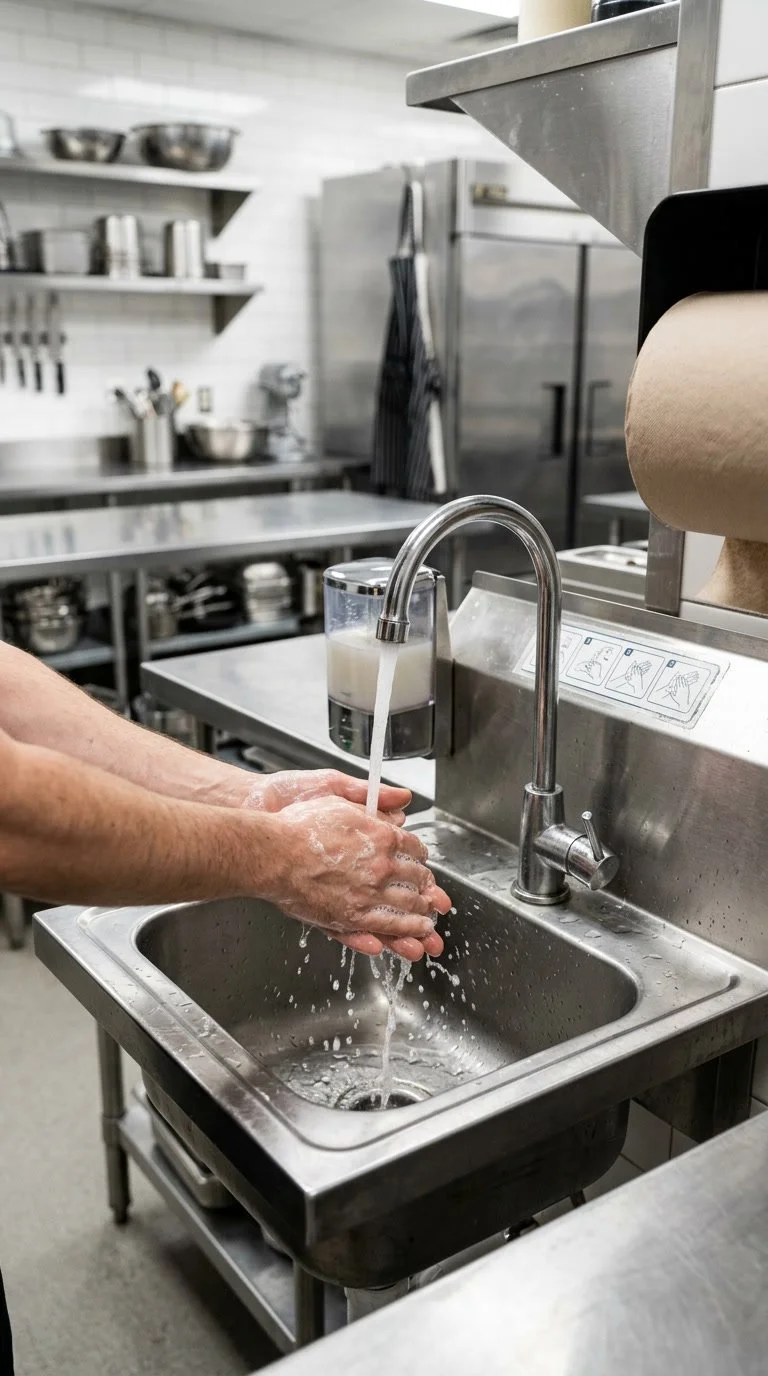
Personal hygiene in the kitchen
Handwashing and cross-contamination prevention
Keeping a clean and safe kitchen environment
Proper use of chopping boards and utensils

Temperature Control
Safe cooking temperatures for different foods
The danger zone — what it is and why it matters
Chilling, cooling, and reheating food safely
Using a food thermometer correctly
Food Storage
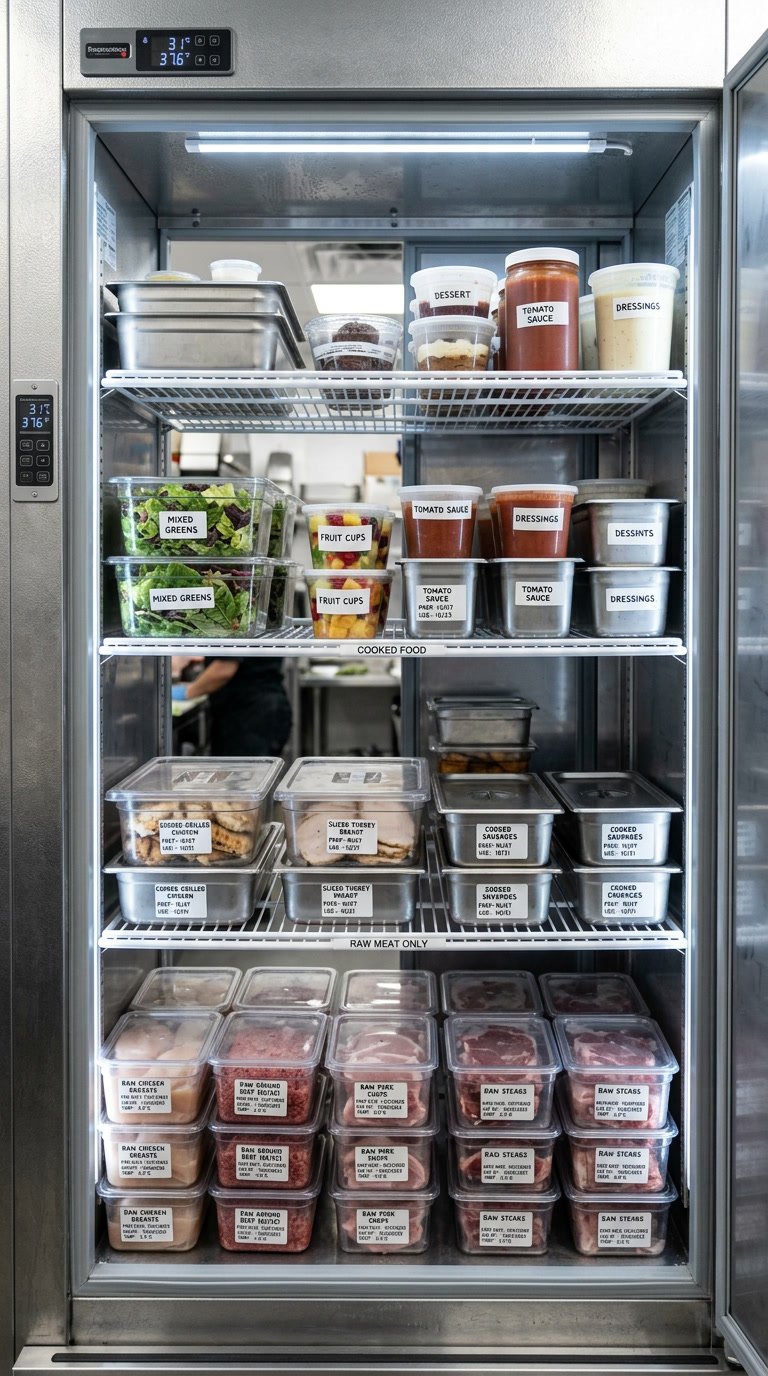
Storing raw and cooked food correctly
Fridge and freezer organisation
Shelf life, best before, and use by dates explained
Vacuum sealing and extending food life safely

Cross-Contamination
Understanding and preventing cross-contamination
Colour-coded chopping boards and their purpose
Separating raw and ready-to-eat foods
Safe handling of meat, poultry, and fish

Allergens
The 14 major allergens every cook should know
Reading and understanding food labels
Cooking safely for people with allergies
Allergen management in professional kitchens

HACCP & Food Safety Systems
What HACCP is and why it matters
Critical control points explained
Implementing food safety systems at
home and professionally
Record keeping and due diligence

Food Poisoning & Bacteria
Common foodborne illnesses and how they occur
The bacteria every cook should know about
Symptoms, causes, and prevention
High risk foods and how to handle them safely

Food Safety for Special Diets
Allergen-free cooking and kitchen management
Safe food preparation for vulnerable
groups
Catering for intolerances in a professional setting
Labelling and communication of dietary requirements