Nutrition & Health

Good cooking and good nutrition go hand in hand. Understanding what you eat, where your nutrients come from, and how food affects your body is just as important as knowing how to cook it well. Whether you are looking to eat more balanced meals at home, manage a specific dietary need, or deepen your understanding of nutrition from a professional culinary perspective, this page brings together practical, evidence-based knowledge that applies to every kitchen and every table. Because the best food is not just food that tastes good — it is food that does good too.

Assorted foods on a white marble surface categorized into carbohydrates, protein, and healthy fats. Carbohydrates include bread, pasta, rice, and potatoes. Proteins include boiled eggs, chicken, and salmon. Healthy fats include avocado, nuts, seeds, and olive oil.

The Basics of Nutrition

  • Macronutrients explained — carbohydrates, proteins, and fats

  • Micronutrients — vitamins and minerals and why they matter

  • Understanding calories and energy balance

  • How the body digests and absorbs nutrients

A healthy breakfast spread with oatmeal topped with berries and bananas, various bowls of vegetables, grains, and nuts, a grilled chicken breast, fresh juice and water with lemon, and coffee.

Balanced Eating

  • What a balanced diet actually looks like

  • Building a nutritionally balanced plate

  • Portion sizes and how to get them right

  • The role of variety in a healthy diet

A variety of protein and healthy food options includes sliced grilled chicken breast, a bowl of creamy yogurt with blueberries, almonds, and chia seeds, a bowl of cottage cheese with chopped chives, a sliced hard-boiled egg, canned tuna with lemon and dill, and a bowl of green edamame.
Fresh wild-caught salmon, Pacific sardines, Atlantic mackerel, lemon wedges, raw walnuts, chia seeds, flaxseeds, hemp seeds, fish oil capsules, and a bottle of fish oil capsules on a dark slate surface with sprigs of dill and scattered peppercorns.
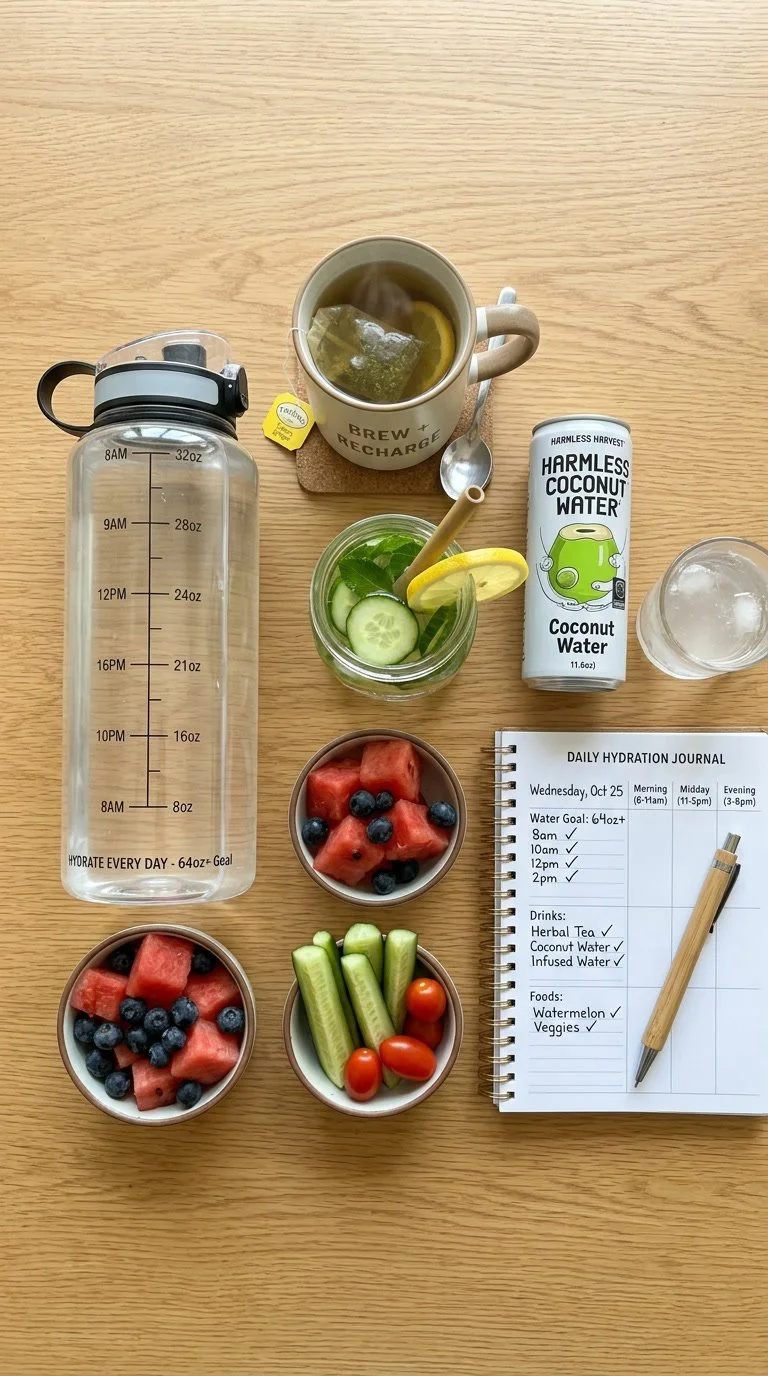
A wooden table with a large clear water bottle, a mug with tea, a jar of cucumber and lemon water, a can of coconut water, two bowls of watermelon and blueberries, a bowl with cherry tomatoes, cucumber slices, and cherry tomatoes, and a daily hydration journal with a pen.
A variety of healthy foods including green leafy vegetables, nuts, and grains, with labeled bowls and jars of ingredients like vitamins, legumes, complex carbs, healthy fats, and dairy products on a white marble surface.
A woman shopping for cereal in a grocery store aisle, holding two cereal boxes, with shopping bags filled with produce on the floor in front of her.

Proteins & Their Role in the Body

  • Why protein matters and how much you need

  • Animal vs plant based protein sources

  • Complete and incomplete proteins explained

  • High protein cooking and meal planning

Fats & Their Importance

  • Good fats vs bad fats explained

  • The role of omega 3 and omega 6 in the diet

  • Saturated, unsaturated, and trans fats

  • How cooking methods affect the fat content of food

Hydration

  • Why hydration matters more than most people think

  • How much water you actually need

  • Hydrating foods and their role in the diet

  • The effect of dehydration on cooking performance and health

Special Diets & Nutritional Needs

  • Vegetarian and vegan nutrition — getting everything you need

  • Gluten free eating beyond the trend

  • Nutrition for athletes and active people

  • Managing common health conditions through diet

Reading Food Labels

  • Understanding nutritional information panels

  • What traffic light labelling really means

  • Hidden sugars, salts, and fats in everyday foods

  • How to shop smarter using food labels

Diagram comparing simple and complex carbohydrates. The left side shows bread, rice, sugar cubes, gummy candies, and orange juice labeled as simple carbohydrates for fast energy. The right side shows multigrain bread, oats, chickpeas, sweet potatoes, black beans, and lentils labeled as complex carbohydrates for sustained energy.
Arranged food items on a slate board including dairy, leafy greens, red meat, lentils, nuts, seeds, fish, dairy, bananas, sweet potatoes, and an avocado.
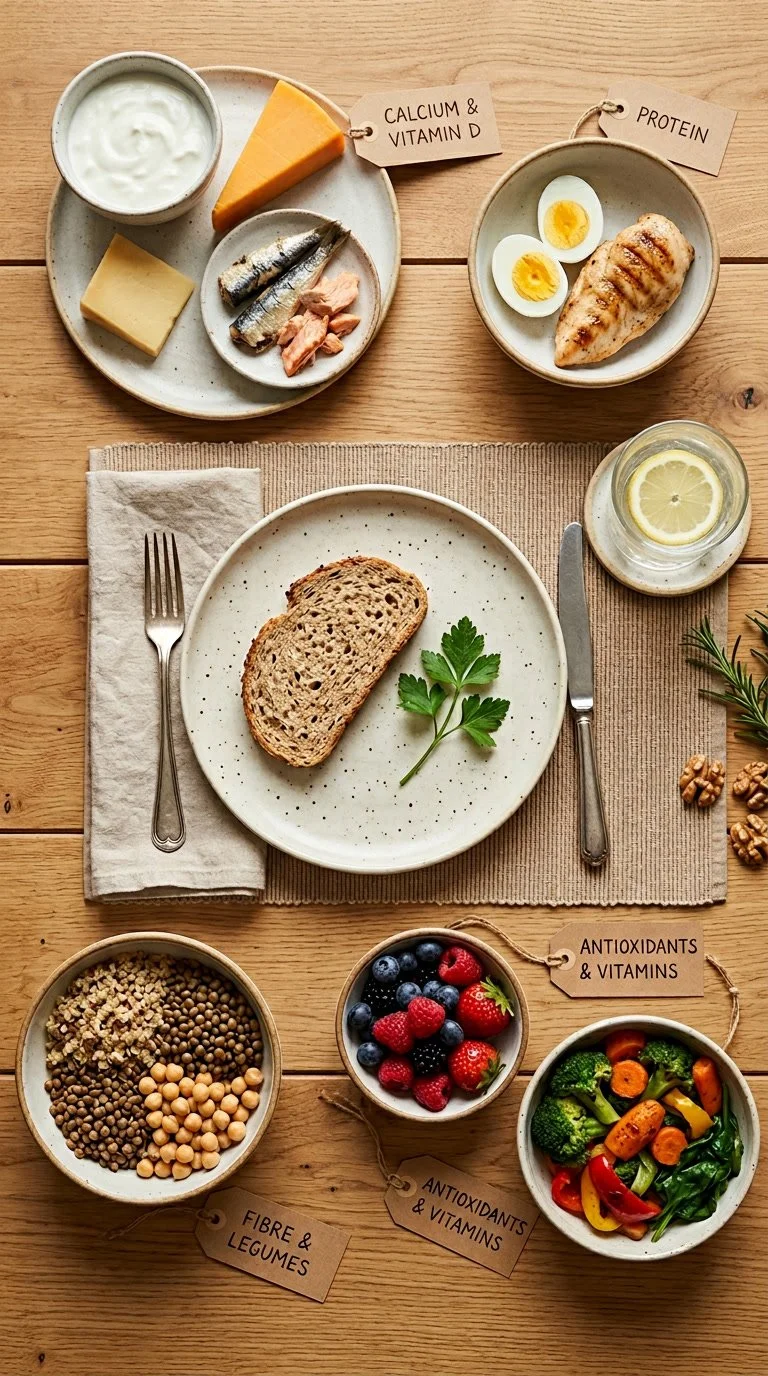
A healthy breakfast spread on a wooden table includes a plate with a slice of multigrain bread and parsley, a bowl of Greek yogurt, cheese, sardines, and salmon, and two small tagged desserts labeled 'Calcium & Vitamin D' and 'Protein'; a glass of lemon water, and three small bowls with berries, mixed vegetables, and lentils. Each bowl has a tag indicating health benefits like antioxidants, vitamins, fiber, and legumes.
Kitchen counter with fresh ingredients and prepared meals for cooking, including chicken, vegetables, spices, and packaged ready-to-eat meals.
A wooden table holding a laptop, various bowls of fresh vegetables and herbs, berries, nuts, and citrus fruits, along with a handwritten seasonal menu planning sheet, nutrient guides, ingredient cards, a glass of water, a ruler, and a teaspoon, with a window in the background.

Carbohydrates & Energy

  • The difference between simple and complex carbohydrates

  • Why carbohydrates are not the enemy

  • Fibre — what it is and why it matters

  • Glycaemic index and how it affects energy levels

Vitamins & Minerals

  • The most important vitamins and what they do

  • Key minerals every cook should know about

  • How cooking affects the nutritional value of food

  • Common deficiencies and how to address them through diet

Nutrition for Different Life Stages

  • Nutrition for children and adolescents

  • Eating well during pregnancy

  • Nutritional needs of older adults

  • How nutritional requirements change throughout life

Healthy Cooking Methods

  • How different cooking methods affect nutritional value

  • Reducing fat, salt, and sugar without losing flavour

  • Making everyday recipes healthier without compromising taste

  • Cooking from scratch vs processed food — the nutritional difference

Nutrition in Professional Kitchens

  • Menu planning with nutrition in mind

  • Catering for special dietary requirements professionally

  • Nutritional labelling in foodservice

  • The chef's responsibility in promoting healthy eating