
THE FUTURE OF FOOD
The way humanity produces, distributes, and consumes food is changing faster than at any point in history. Driven by a combination of environmental necessity, technological innovation, population growth, and shifting cultural values, the global food system is undergoing a transformation that will fundamentally alter what ends up on our plates over the coming decades.
Some of these changes are already visible — plant-based burgers on supermarket shelves, vertical farms in urban warehouses, precision fermentation in industrial facilities. Others are still emerging — cultivated meat approaching commercial scale, 3D printed food moving from laboratory curiosity to practical application, artificial intelligence reshaping everything from crop management to recipe development. Together, they represent the most significant reimagining of food since the agricultural and industrial revolutions.
This is not a story about replacing everything we know and love about food. It is a story about expanding what is possible — about feeding more people more sustainably, more efficiently, and ultimately more deliciously than the current food system allows. Understanding where food is going is not just relevant to food scientists and industry professionals. It is relevant to every cook, every eater, and every person with a stake in the future of the planet.
What is Lab-Grown Meat?
Lab-grown meat — also known as cultivated meat, cell-cultured meat, or cultured protein — is real animal meat produced without slaughtering an animal. Rather than raising a cow, pig, or chicken to maturity and then processing it for food, cultivated meat is produced by taking a small sample of cells from a living animal and growing those cells in a controlled environment outside of the animal's body until they form muscle tissue — which is, biologically, what meat is.
How It Works
The process begins with a biopsy — a small sample of cells taken from a donor animal, typically a muscle stem cell, which has the natural ability to multiply and differentiate into muscle fibre. This sample is taken once and does not harm the animal. The cells are then placed in a bioreactor — a large vessel that provides the cells with a nutrient-rich growth medium containing the amino acids, sugars, vitamins, minerals, and growth factors they need to survive, multiply, and develop into muscle tissue.
As the cells multiply and mature, they are encouraged to form the structural characteristics of meat — muscle fibres, fat cells, and connective tissue — through a combination of biochemical signals and physical scaffolding. The resulting tissue is then harvested, processed, and formed into meat products.
Current cultivated meat products are primarily produced as ground or minced formats — burgers, mince, nuggets, and sausages — because recreating the complex three-dimensional structure of a whole muscle cut such as a steak or a chicken breast requires considerably more sophisticated tissue engineering techniques that are still being developed.
The Environmental Case
The environmental argument for cultivated meat is substantial. Conventional livestock farming is responsible for approximately 14.5% of all global greenhouse gas emissions, requires vast areas of land, consumes enormous quantities of water and feed, and is a major driver of biodiversity loss through habitat destruction. Cultivated meat, in principle, requires a fraction of the land, produces significantly lower greenhouse gas emissions — with the notable exception of carbon dioxide from energy use — and eliminates many of the environmental externalities of conventional animal agriculture.
However, the environmental credentials of cultivated meat depend heavily on the energy source used to power the bioreactors. If powered by fossil fuels, the carbon footprint benefits are significantly diminished. If powered by renewable energy, cultivated meat has the potential to be one of the most environmentally sound protein sources available. The long-term environmental case is therefore closely tied to the broader transition to clean energy.
The Current State of the Industry
Cultivated meat has progressed from a laboratory curiosity — the first cultivated beef burger, produced by Professor Mark Post of Maastricht University, cost approximately £215,000 to produce when it was unveiled in 2013 — to an emerging commercial industry with dozens of companies working toward viable products at commercially relevant price points. Regulatory approval has been granted in Singapore and the United States for certain cultivated chicken products, and a small number of products are available to consumers in these markets.
The primary challenge facing the cultivated meat industry is cost reduction and scale. Producing cultivated meat at a price point competitive with conventional meat requires significant advances in bioreactor technology, growth medium formulation — particularly the replacement of foetal bovine serum, a controversial ingredient currently used in many growth media, with animal-free alternatives — and manufacturing efficiency. Progress is being made rapidly, but widespread commercial availability at mainstream price points remains some years away in most markets.
The Ethical Dimension
For many people, the primary appeal of cultivated meat is not environmental but ethical — the possibility of consuming real meat without the suffering and slaughter of animals. This is a genuinely significant ethical consideration, and one that has driven substantial investment and consumer interest in the sector. However, the ethical picture is not entirely straightforward — questions remain about the welfare implications of cell donation, the use of animal-derived ingredients in growth media, and the broader social and economic implications for the hundreds of millions of people whose livelihoods depend on conventional livestock farming.
Plant-Based Alternatives Explained
Plant-based alternatives to meat, dairy, and other animal products represent the most commercially advanced and most widely available category of alternative proteins currently on the market. Unlike cultivated meat, plant-based alternatives do not involve animal cells at any stage of their production — they are made entirely from plant-derived ingredients, engineered to replicate the sensory experience of eating animal products as closely as possible.
The Technology Behind Plant-Based Meat
The challenge of creating a convincing plant-based meat alternative is primarily one of texture, flavour, and appearance. Meat has a complex fibrous structure, a distinctive flavour profile derived from fat, protein, and the products of the Maillard reaction, and a characteristic appearance that consumers have deeply ingrained sensory expectations of. Replicating all of these characteristics using plant-derived ingredients requires considerable food technology expertise.
Protein sources used in plant-based meat products include pea protein, soy protein isolate, wheat gluten — also known as seitan — mycoprotein derived from fungi, and increasingly, a range of emerging plant proteins from sources such as fava beans, chickpeas, and sunflower seeds. Each protein source has different functional properties — different textures, flavour profiles, and amino acid compositions — and most commercial plant-based meat products use blends of multiple protein sources to achieve the desired sensory profile.
Texture is created through a process called high-moisture extrusion, in which plant proteins are subjected to heat, pressure, and mechanical shear forces that cause the protein molecules to align and form a fibrous structure similar to muscle tissue. This is the technology that gives products like pulled pork-style plant-based alternatives their characteristic stringy, meat-like texture. The process has advanced dramatically in recent years and is now capable of producing textures that closely rival those of conventional meat in many applications.
Flavour in plant-based meat products comes from a combination of natural flavourings, yeast extracts, and in some products, specific flavour compounds identified in conventional meat and replicated from plant or fermentation sources. One of the most significant recent advances in plant-based meat flavour is the use of haem — specifically leghaemoglobin from soy plants — to replicate the distinctive iron-rich flavour of beef. This ingredient, used in certain plant-based burgers, is credited with giving them a remarkably meat-like flavour and the characteristic colour change from pink to brown during cooking.
Appearance is addressed through the use of natural colourants — beetroot juice, annatto, and caramel colour are commonly used to replicate the colour of raw and cooked meat — and through careful formulation of fat distribution within the product to mimic the marbling of conventional meat.
Plant-Based Dairy
Plant-based dairy alternatives — milks, yoghurts, cheeses, butters, and creams made from oat, almond, soy, coconut, cashew, hemp, and other plant sources — represent a mature and rapidly growing category of the alternative protein market. Oat milk has become the dominant plant-based milk in many markets, valued for its neutral flavour, creamy texture, and relatively low environmental footprint. Plant-based cheeses have historically been the weakest category in terms of sensory quality — the complex biochemistry of conventional cheese, developed through millennia of craft tradition, is extremely difficult to replicate — but recent advances in fermentation and cashew-based formulations have produced plant-based cheeses of considerably improved quality.
Plant-Based Eggs and Seafood
Plant-based eggs — products designed to replicate the cooking and eating properties of conventional eggs using ingredients such as mung bean protein, chickpea flour, and black salt — are a growing category with applications in baking, scrambled egg-style products, and omelettes. Plant-based seafood — including plant-based tuna, salmon, shrimp, and crab made from ingredients such as konjac, hearts of palm, and jackfruit — is an emerging category attracting growing interest from both consumers and food technology companies.
The Nutritional Picture
Plant-based alternatives vary enormously in their nutritional profiles, and it is important not to assume that all plant-based products are automatically healthier than the animal products they replace. Many heavily processed plant-based products contain significant quantities of sodium, saturated fat from coconut oil, and various additives. At their best — made from minimally processed whole plant ingredients with a considered nutritional profile — plant-based alternatives can be excellent sources of protein, fibre, and micronutrients. At their worst, they are ultra-processed products with long ingredient lists and questionable nutritional value. As with all food choices, reading labels and understanding what is actually in a product is essential.
How Technology is Changing What We Eat
Technology is transforming the food system at every level — from the field where ingredients are grown to the kitchen where they are cooked to the plate on which they are served. The pace and scope of this transformation is extraordinary, and its implications extend far beyond the alternative protein sector.
Precision Fermentation
Precision fermentation is one of the most significant and least widely understood food technologies currently in development. It uses programmed microorganisms — bacteria, yeast, or fungi — to produce specific proteins, fats, and other food ingredients with extraordinary precision. By inserting genetic instructions into a microorganism, scientists can direct it to produce virtually any protein found in nature — including animal proteins such as casein and whey from dairy, ovalbumin from eggs, and collagen from connective tissue — entirely without the involvement of animals.
Products made using precision fermentation are already on the market. Animal-free whey protein — biochemically identical to the whey protein found in cow's milk, produced by fermentation rather than from dairy — is available in several markets and is finding applications in protein supplements, baked goods, and food products. Animal-free casein is in development, with the potential to produce dairy-identical cheese, yoghurt, and ice cream without any involvement of cows.
The implications of precision fermentation for the food system are profound. It has the potential to decouple the production of animal proteins from animal agriculture, dramatically reducing the land use, water use, and greenhouse gas emissions associated with producing these ingredients, while delivering products that are biochemically indistinguishable from their animal-derived counterparts.
Artificial Intelligence in Food
Artificial intelligence is being applied across the food system in ways that are already having a significant impact and are expected to become transformative over the coming decade.
In agriculture, AI systems are being used to analyse satellite and drone imagery to detect crop disease, predict yields, optimise irrigation, and guide precision application of inputs. Machine learning algorithms trained on large datasets of soil, weather, and crop performance data are enabling farmers to make better decisions with greater speed and accuracy than any human expert could manage alone.
In food product development, AI is dramatically accelerating the process of creating new food products. Traditional food product development involves lengthy cycles of formulation, testing, sensory evaluation, and reformulation. AI systems can analyse vast databases of ingredient interactions, flavour chemistry, and consumer preference data to predict how new formulations will perform before they are ever made, shortening development timelines from years to months.
In personalised nutrition, AI is enabling the development of dietary recommendations and food products tailored to the individual — taking into account genetic data, microbiome composition, metabolic responses, health status, and personal preferences to suggest eating patterns optimised for each person's unique biology. Several companies are already offering AI-powered personalised nutrition services, and the sophistication of these systems is advancing rapidly.
In kitchen technology, AI is beginning to appear in consumer products — smart ovens that recognise what food has been placed inside them and automatically select the optimal cooking programme, apps that can identify ingredients from a photograph and suggest recipes, and voice-activated cooking assistants that guide cooks through recipes in real time. These technologies are still in relatively early stages but are developing rapidly.
Blockchain and Food Transparency
Blockchain technology — a distributed digital ledger that records transactions in a way that is transparent, permanent, and tamper-proof — is being applied to food supply chain transparency with significant implications for food safety, authenticity, and sustainability. By recording every stage of a food's journey from farm to fork on a blockchain, it becomes possible to verify the provenance, handling, and authenticity of food products with a level of certainty that conventional supply chain documentation cannot provide.
This has immediate practical applications in food safety — enabling the rapid identification and tracing of contaminated products in the event of a food safety incident — and in combating food fraud, which is estimated to cost the global food industry tens of billions of dollars annually through the adulteration and mislabelling of products such as olive oil, honey, fish, and spices.
The Internet of Things in Food
Smart connected devices are being integrated into every stage of the food supply chain. Smart packaging equipped with sensors can monitor the temperature, humidity, and gas composition inside a package and alert distributors or consumers if conditions have deviated from safe parameters. Smart refrigerators can track their contents, suggest recipes based on available ingredients, and automatically reorder staples when they run low. Smart kitchen scales and cooking devices can connect to recipe apps and guide cooks through precise preparation steps, adjusting cooking times and temperatures automatically based on the weight and type of food being cooked.
Is 3D Printed Food Really a Thing?
Yes — 3D printed food is genuinely real, commercially available in certain contexts, and developing rapidly. While it has not yet transformed mainstream food culture, it has moved well beyond the realm of novelty and is finding serious applications in professional kitchens, the food industry, healthcare settings, and space exploration.
How Food 3D Printing Works
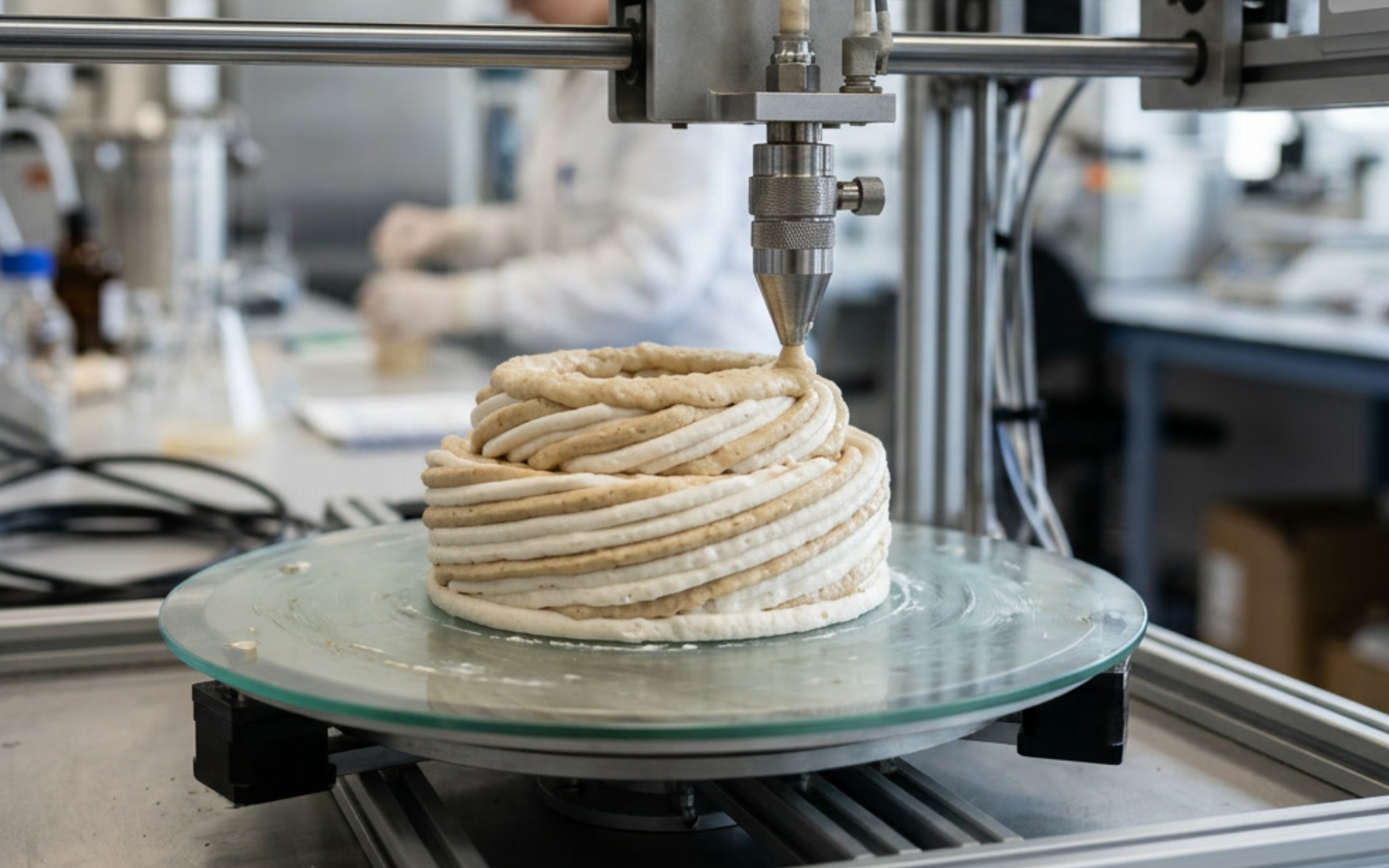
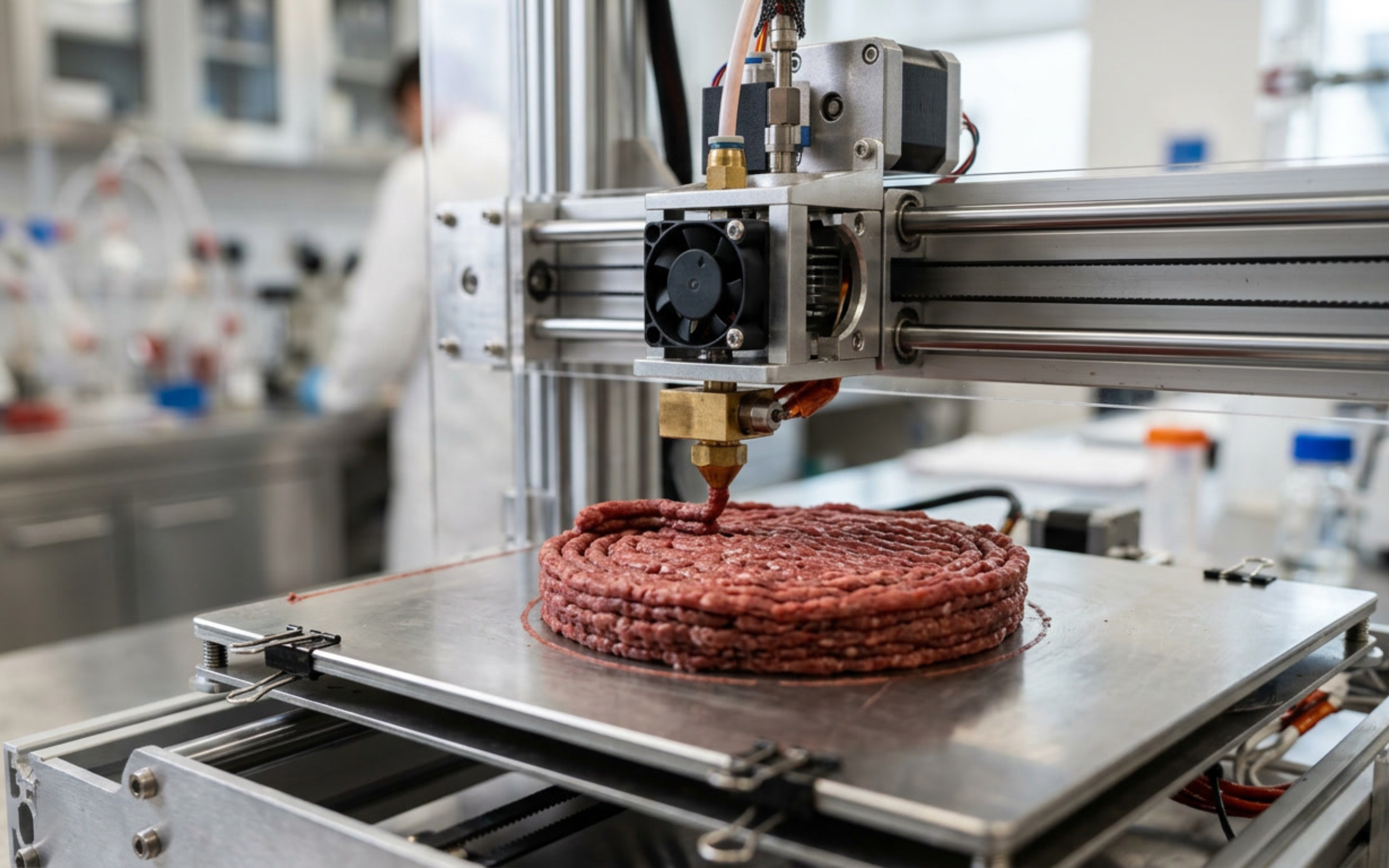
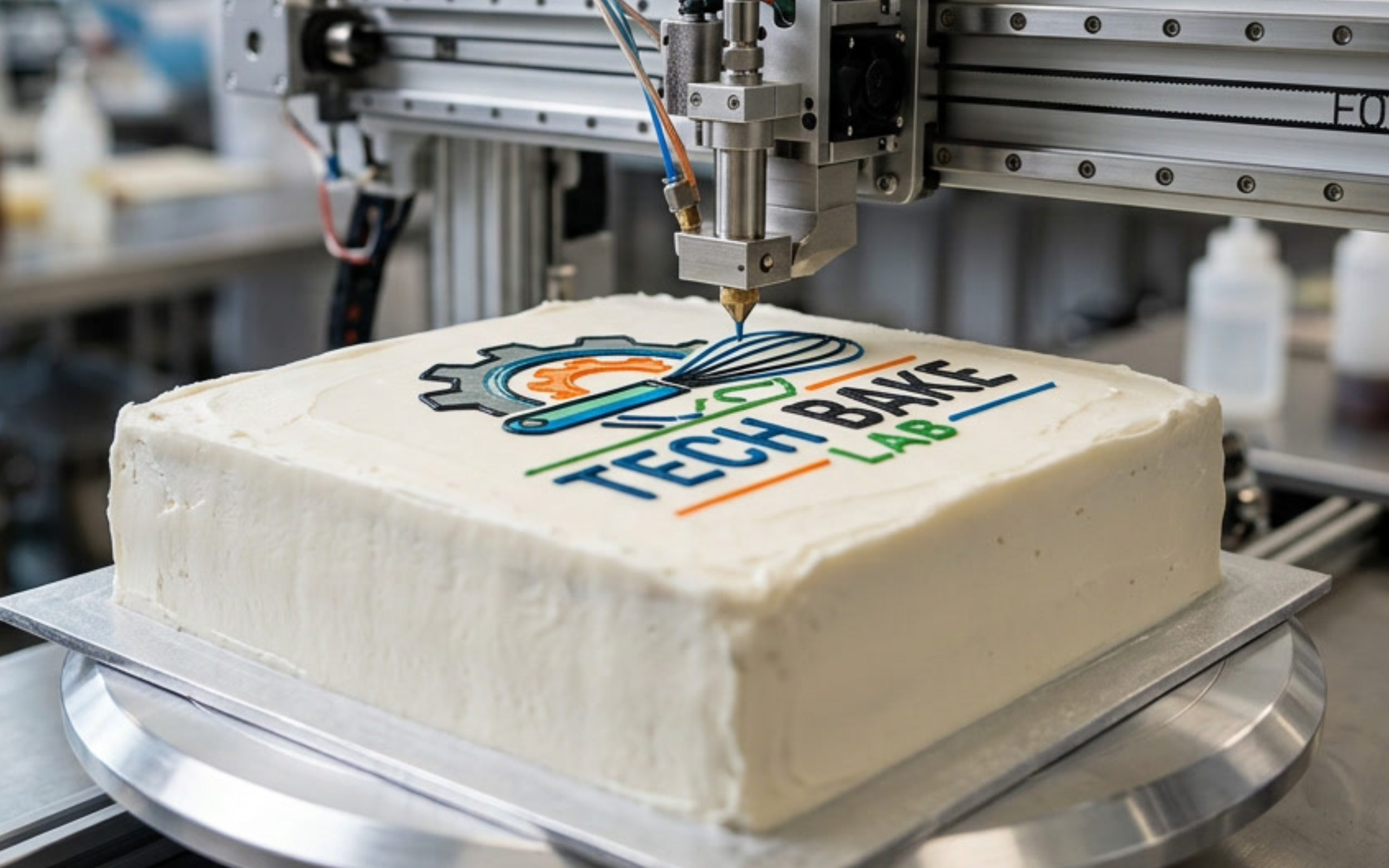
Food 3D printing works on the same fundamental principle as industrial 3D printing — a digital design is translated into a physical object by depositing material layer by layer until the desired three-dimensional form is achieved. In food printing, the material is an edible paste, gel, or liquid — typically a purée of a food ingredient with the right consistency to be extruded through a nozzle — and the printer deposits this material in precisely controlled patterns and layers to build up the final food object.
The range of materials that can be used in food 3D printing is expanding continuously. Chocolate, sugar paste, dough, cheese, meat analogues, hummus, mashed potato, and even living cultures of algae or fungi have all been successfully printed. Each material requires a printing system optimised for its specific rheological properties — its flow, viscosity, and setting behaviour — and the development of printable food formulations that maintain their structural integrity during and after printing is one of the primary technical challenges of the field.
Applications in Professional Kitchens
In high-end professional kitchens, 3D food printing is primarily used as a precision tool for creating complex garnishes, intricate pastry decorations, and bespoke confectionery designs that would be extremely time-consuming or technically impossible to produce by hand. Printed chocolate decorations with geometrically complex forms, sugar sculptures of extraordinary delicacy, and custom-shaped moulded garnishes are among the applications already in use in leading restaurants and patisseries.
The ability to produce identical, highly complex decorative elements repeatedly and precisely is particularly valuable in professional settings where consistency and efficiency are paramount.
Applications in the Food Industry
In the food industry, 3D printing is finding applications in the production of nutritionally personalised food products — particularly in healthcare settings where patients with specific nutritional needs or swallowing difficulties require food in customised forms and compositions. Printed foods can be formulated with precise nutritional profiles and produced in textures — including smooth, purée-like textures disguised as visually appealing food forms — that are appropriate for people with dysphagia or other conditions affecting eating ability.
Several food manufacturers are exploring the use of 3D printing for mass customisation — the ability to produce food products personalised to individual specifications at industrial scale. While the technology is not yet capable of replacing conventional food manufacturing for standard products, it has the potential to enable a new category of personalised food products that conventional manufacturing processes cannot produce.
3D Printed Meat
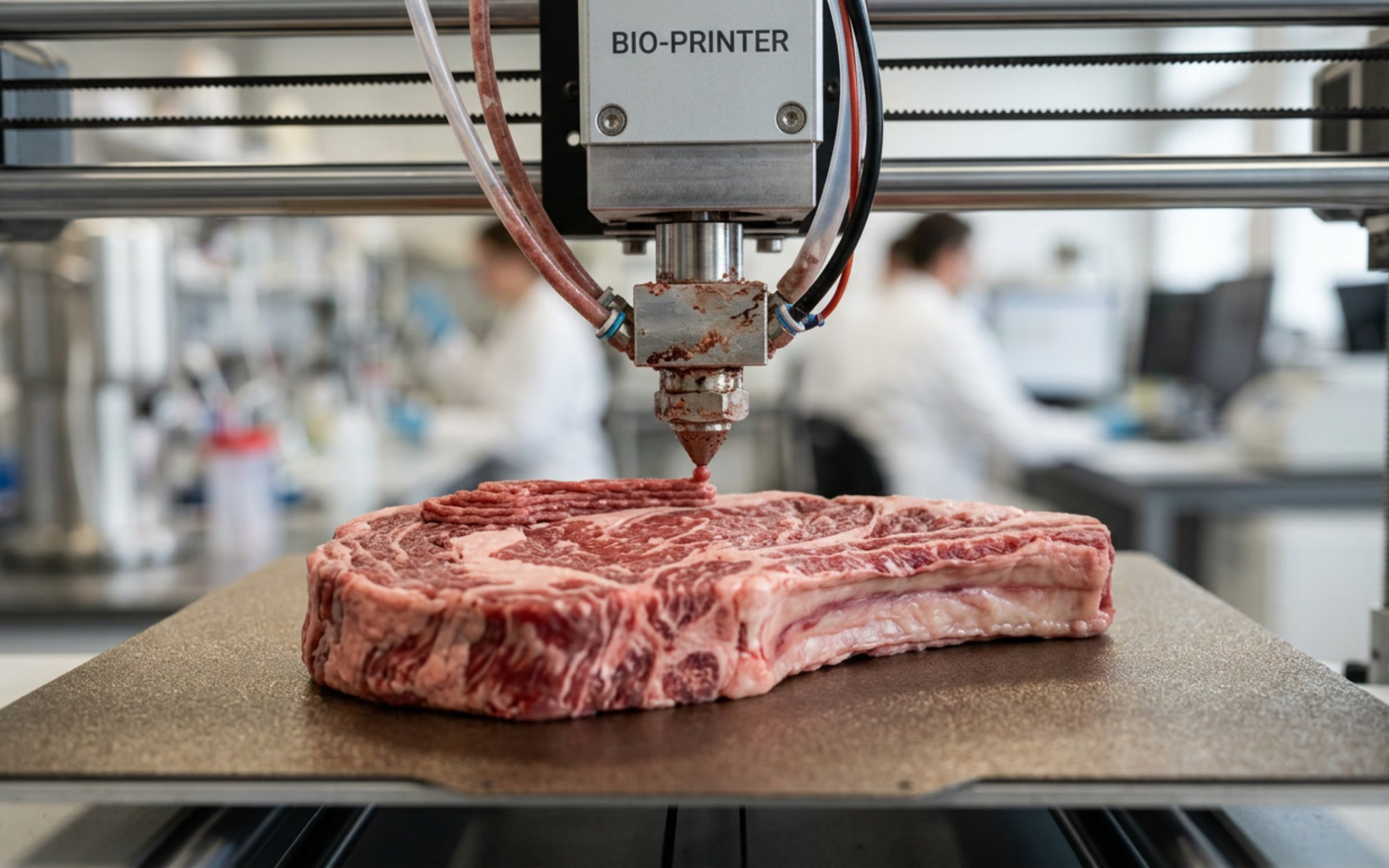
One of the most ambitious and most discussed applications of food 3D printing is the production of cultivated meat in structured, whole-cut formats. As noted above, producing whole muscle cuts from cultivated cells requires three-dimensional scaffolding that can support cell growth in the complex architecture of real muscle tissue. 3D bioprinting — using living cells as the printing material, deposited onto edible scaffolds that dissolve as the tissue develops — is one of the most promising approaches to creating whole-cut cultivated meat products and is an active area of research and development.
The Future of 3D Printed Food
The long-term potential of 3D food printing extends far beyond current applications. Researchers are exploring the use of printed food in space exploration — where the ability to produce a wide variety of food forms from a small number of base ingredients could be invaluable for long-duration space missions. Personalised nutrition printed on demand — food products designed for each individual's specific nutritional needs and produced at the point of consumption — represents a further horizon.
The barriers to mainstream adoption of 3D food printing in domestic settings are currently significant — cost, complexity, and the time required to produce printed food make it impractical for everyday home cooking. However, as with all technology, costs will fall and systems will simplify over time, and the possibility of a kitchen printer capable of producing complex food forms on demand from cartridges of food ingredients is not as distant as it might seem.
Other Emerging Food Technologies
Nanotechnology in Food
Nanotechnology — the manipulation of matter at the scale of individual atoms and molecules — is finding applications in food packaging, food safety testing, nutrient delivery, and ingredient functionality. Nano-scale packaging materials with enhanced barrier properties can extend the shelf life of food products significantly. Nano-sensors embedded in packaging can detect the presence of specific pathogens or the products of spoilage with extraordinary sensitivity. Nano-encapsulation — surrounding sensitive ingredients such as omega-3 fatty acids, probiotics, or vitamins in nano-scale protective shells — allows these ingredients to be incorporated into food products without compromising their stability or bioavailability.
Aquaponics and Hydroponics
Aquaponics combines fish farming with hydroponic plant cultivation in a closed-loop system — fish waste provides nutrients for plants, and plants filter the water for the fish. This creates an extraordinarily resource-efficient food production system that can produce both protein and vegetables using a fraction of the water and land required by conventional agriculture, without pesticides, and with minimal waste.
Gene Editing in Agriculture
Gene editing technologies — particularly CRISPR-Cas9, which allows precise, targeted modifications to be made to the genome of a plant or animal — are being applied in agriculture to develop crop varieties with improved disease resistance, drought tolerance, nutritional profiles, and yield. Unlike earlier genetic modification techniques, CRISPR allows specific genes within an organism's own genome to be edited without necessarily introducing foreign genetic material, raising different regulatory and consumer perception questions. Gene-edited crops are already commercially approved in several markets and represent a significant tool in the development of more resilient and sustainable agricultural systems.
The Microbiome and the Future of Nutrition
Research into the human gut microbiome — the vast community of microorganisms inhabiting the digestive system — is transforming our understanding of the relationship between diet and health. The composition of the gut microbiome influences not just digestive health but immune function, mental health, metabolic health, and susceptibility to a wide range of diseases. The food choices that best support a healthy and diverse microbiome — primarily a diet rich in diverse plant foods, fermented foods, and dietary fibre — are increasingly informing dietary guidelines and food product development, and personalised nutrition approaches based on individual microbiome analysis are an active and rapidly advancing area of research.
What Does This Mean for Cooks?
The technologies reshaping the food system are not happening in isolation from the kitchen — they are changing what ingredients are available, how those ingredients are produced, what information cooks have access to, and what tools they have to work with. For professional cooks, staying informed about these developments is increasingly a professional responsibility — menus that engage with new ingredients, production methods, and sustainability considerations are increasingly valued by informed diners. For home cooks, the practical implications are already arriving — in the form of plant-based ingredients in supermarkets, AI-powered kitchen devices, and an increasingly transparent and traceable food supply chain.
The fundamental craft of cooking — the application of skill, knowledge, creativity, and care to the transformation of ingredients into food — will not change. But the ingredients themselves, and the context in which cooking takes place, are evolving rapidly. The best cooks will be those who combine deep traditional knowledge with genuine curiosity about what is coming next.
The future of food is not something that is happening to us. It is something we are all participating in — every time we cook, every time we eat, and every time we choose what to put on our plate.