
Wine & Spirits
Wine and spirits are an integral part of the culinary world — from pairing the right glass with a finished dish to understanding how alcohol is used in cooking and service. Whether you are completely new to the world of wine and have no idea where to start, or you are a hospitality professional looking to deepen your knowledge, this section covers everything from the basics of wine tasting and grape varieties to spirits, cocktails, and the art of food and drink pairing. No snobbery, no overwhelming jargon — just honest, practical knowledge that will change the way you think about what is in your glass.

Understanding Wine
How wine is made
The difference between red, white, rosé, and sparkling wine
Understanding wine labels and what they mean
Old World vs New World wines

Grape Varieties
The most important red grape varieties
and their characteristics
The most important white grape
varieties and their characteristics
How grape variety affects taste, aroma,
and style
Lesser known varieties worth exploring

Wine Tasting & Evaluation
How to taste wine properly
Understanding the five S's — see, swirl, sniff, sip, savour
Describing wine — developing your vocabulary
Common tasting notes and what they mean
Wine Regions of the World
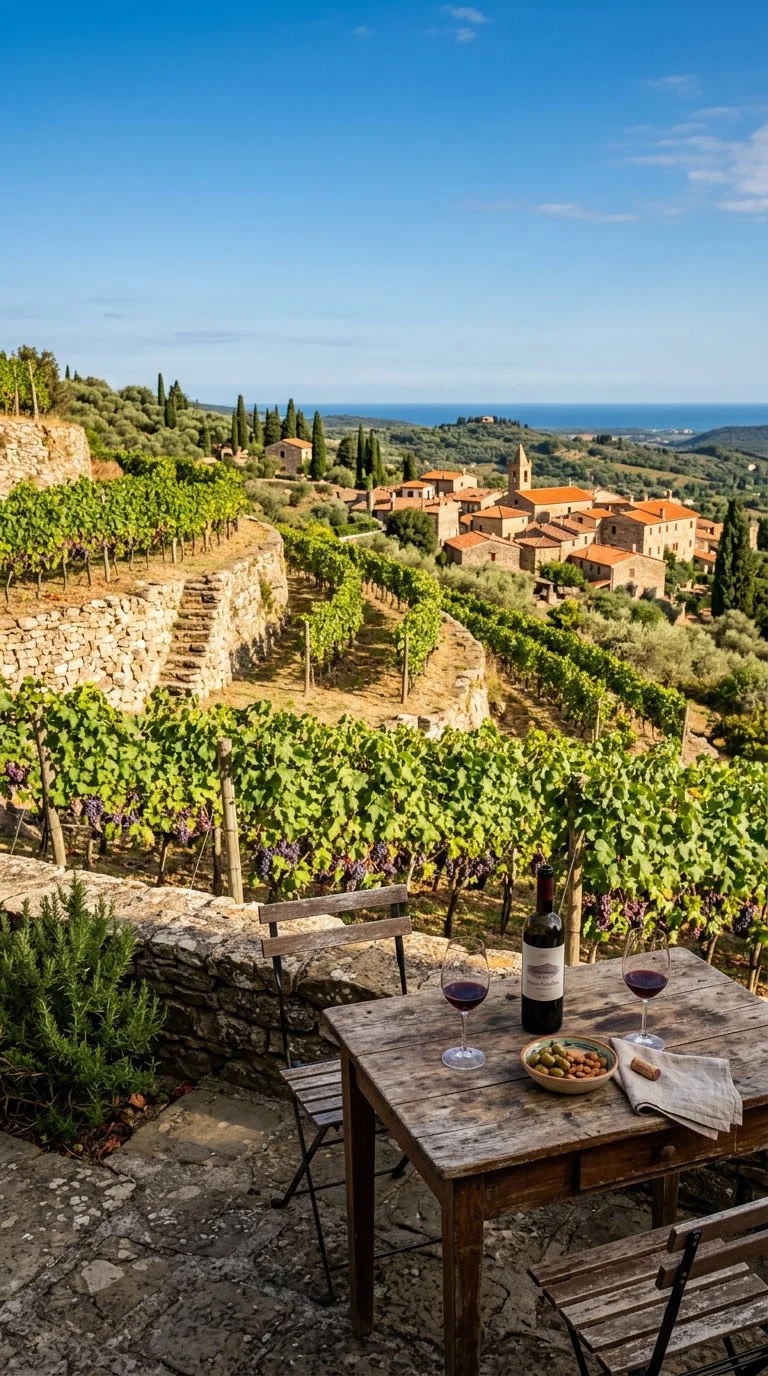
France and the classic wine regions
Italy, Spain, and the Mediterranean
New World wines — USA, Australia, South America
Emerging wine regions worth knowing
Food & Wine Pairing
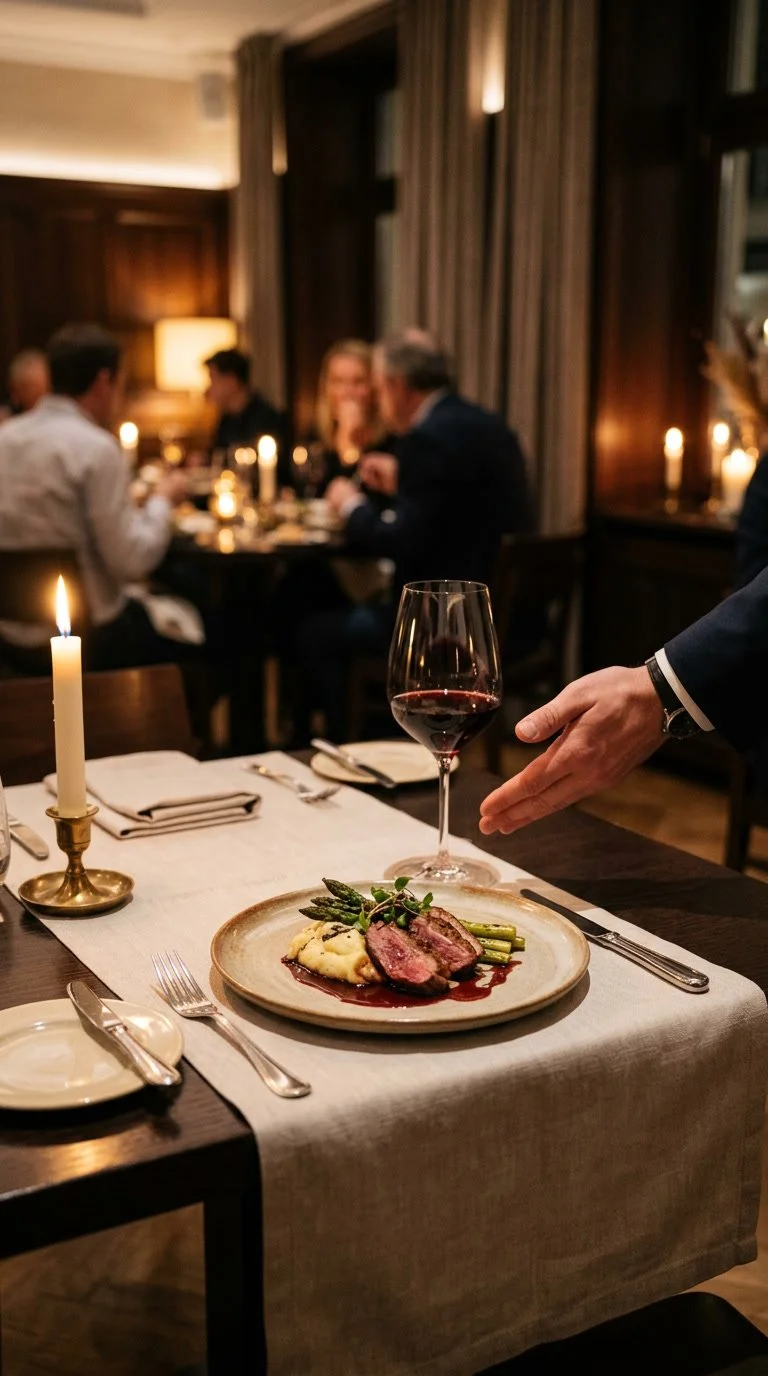
The principles of pairing food and wine
Classic pairings that always work
Pairing wine with different cuisines
Common pairing mistakes and how to avoid them
Sparkling Wine & Champagne
How Champagne is made
The difference between Champagne, Prosecco, and Cava
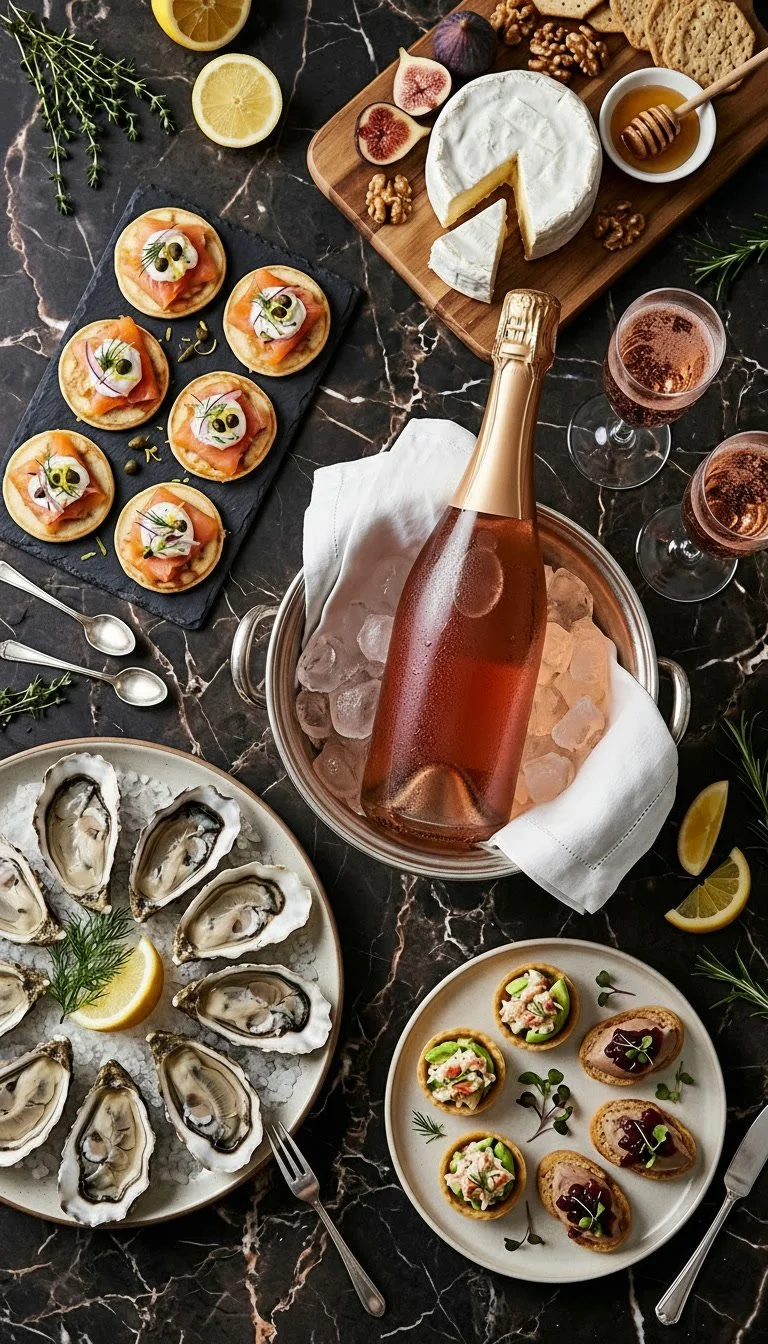
When and how to serve sparkling wine
Pairing sparkling wine with food

Fortified & Dessert Wines
What fortified wine is and how it is made
Port, Sherry, Madeira, and Marsala explained
Dessert wines and when to serve them
Using fortified wines in cooking

Spirits & Distillation
How spirits are made — the distillation process explained
Whisky, gin, vodka, rum, and tequila — what makes each unique
Aged vs unaged spirits and how aging affects flavour
Reading a spirits label
Cocktails & Mixology
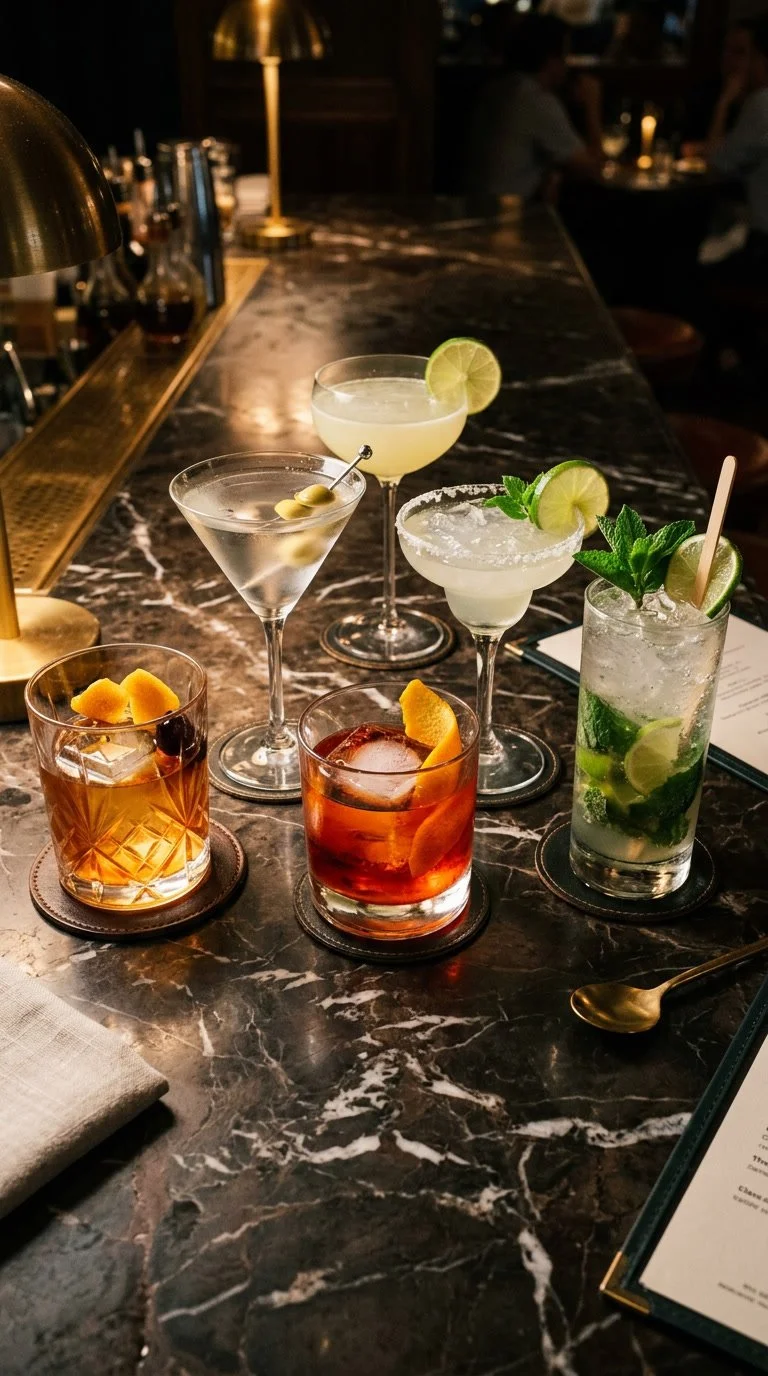
The foundations of cocktail making
Classic cocktails every bartender should know
Balancing flavour in a cocktail — sweet, sour, bitter, and strong
Home bartending — tools, techniques, and tips
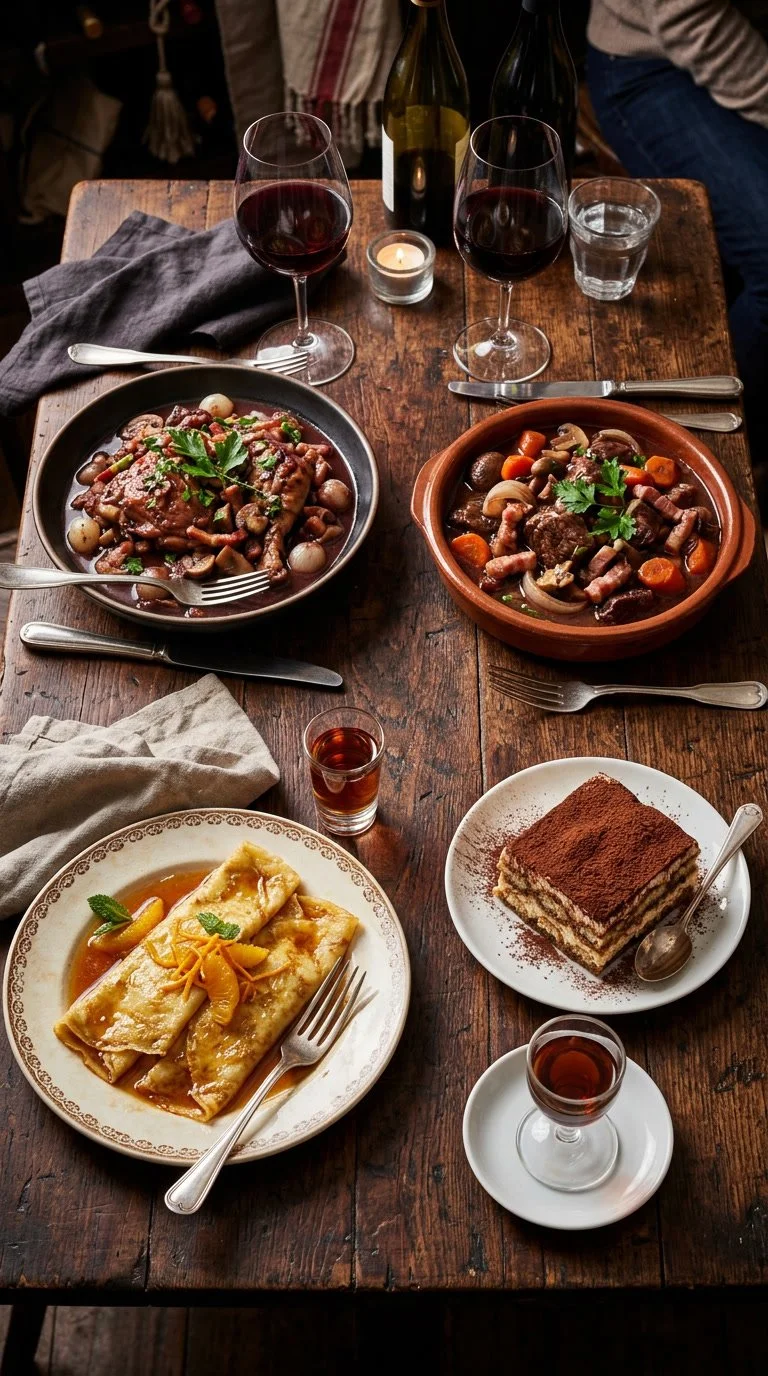
Wine & Spirits in the Kitchen
Cooking with wine — when and how to use it
Using spirits to enhance flavour in cooking
Classic dishes that rely on wine and spirits
Alcohol-free alternatives for cooking

Responsible Service & Knowledge
Understanding alcohol units and responsible consumption
Serving alcohol professionally and legally
Recognising and managing overconsumption
Alcohol awareness in a hospitality setting

Non-Alcoholic Alternatives
Alcohol-free wines and spirits — what
they are and how they are made
Mocktail making — techniques and flavour balancing without alcohol
Catering for non-drinkers in a professional setting
The growing world of no and low alcohol drinks

Wine Service & Hospitality
Opening, pouring, and presenting wine correctly
Glassware — why the right glass makes a difference
Decanting — when, why, and how to do it properly
Cellar management and storing wine correctly
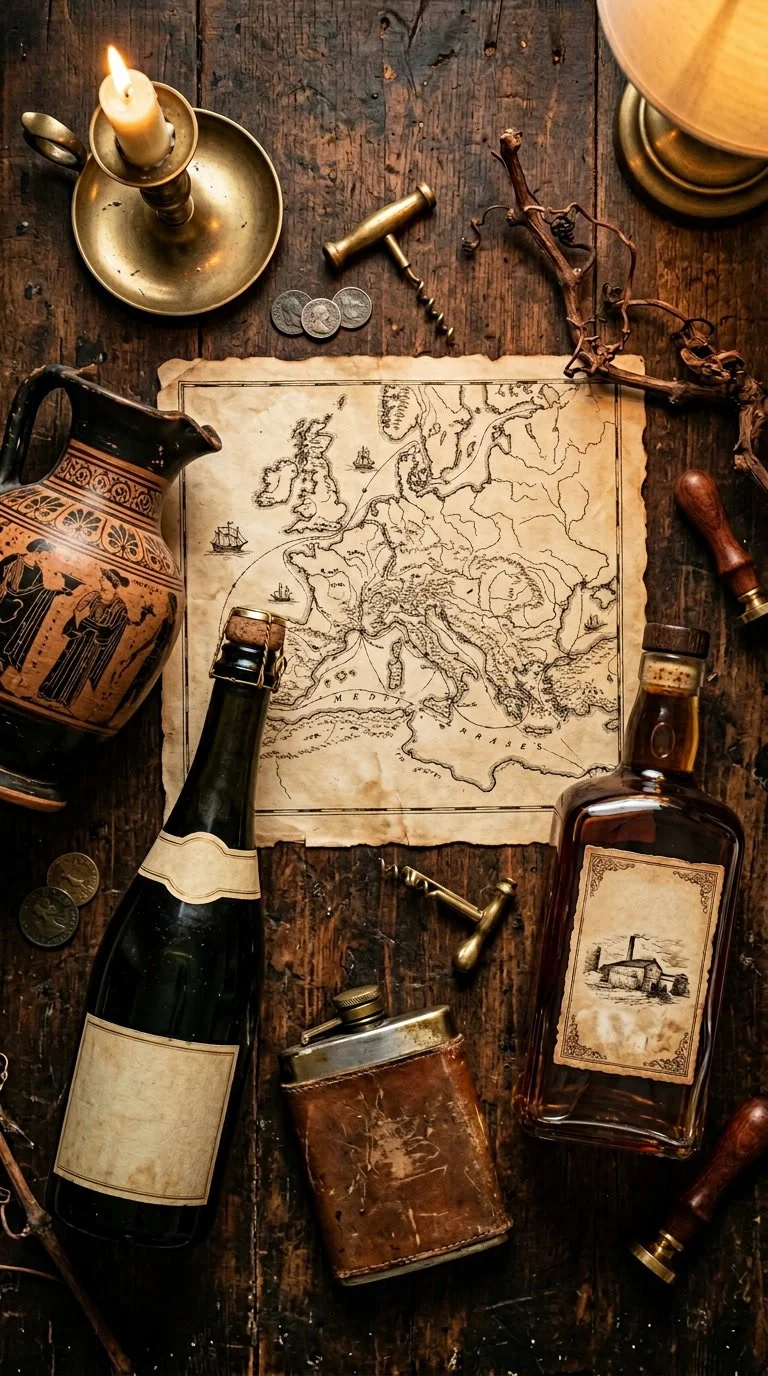
The History of Wine & Spirits
The ancient origins of winemaking
How distillation was discovered and
how spirits developed over centuries
Iconic moments and turning points in
drinks history
How history shaped the wine and
spirits we drink today