
Food Technology
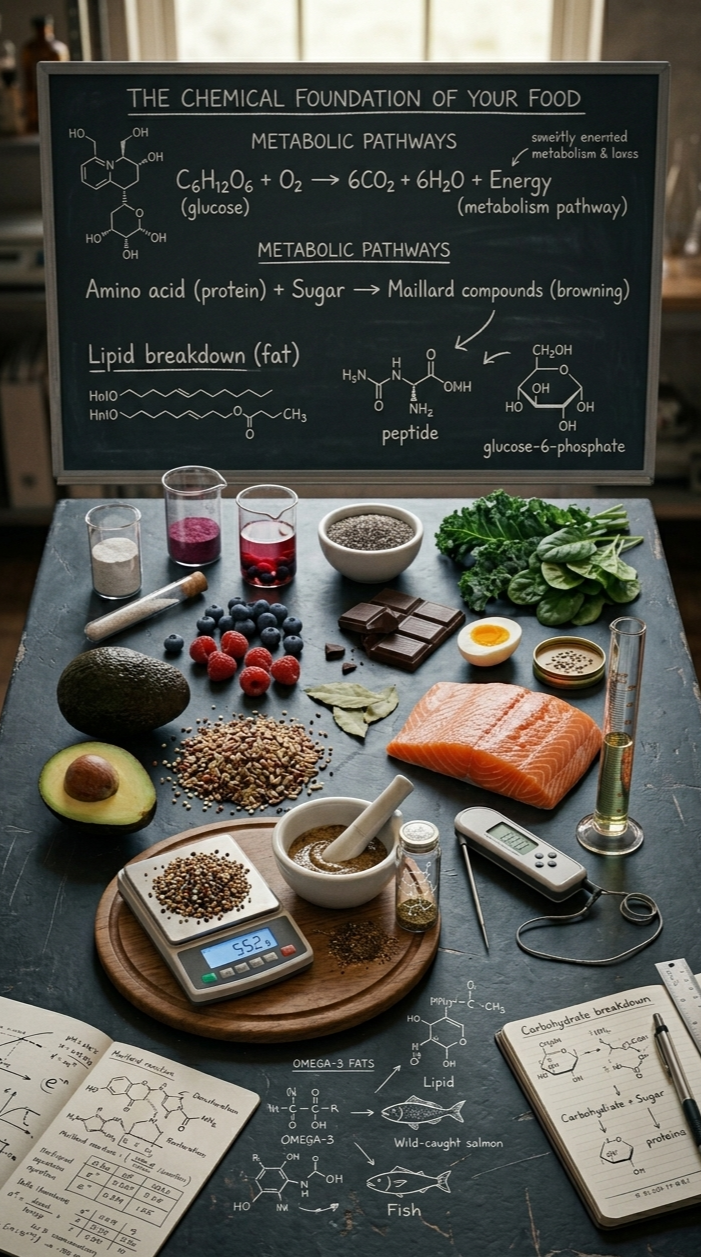
The science behind everything that happens in the kitchen. From understanding how heat transforms ingredients to the chemistry that gives a dish its texture, colour, and flavour, food technology bridges the gap between cooking and science. This page explores the principles and innovations that shape modern food preparation — giving you the knowledge to not just follow a recipe, but truly understand what's happening in the pan.

What you can learn:
The chemistry behind everyday cooking reactions
How heat transforms the structure of food
Why certain ingredients behave the way they do
Understanding emulsification and why it matters and more
What you can learn:
How to read and interpret a food label
The role of additives in modern food
Natural vs artificial ingredients — what the difference really means
What processed food actually is and where it fits in a balanced diet and more
What you can learn:
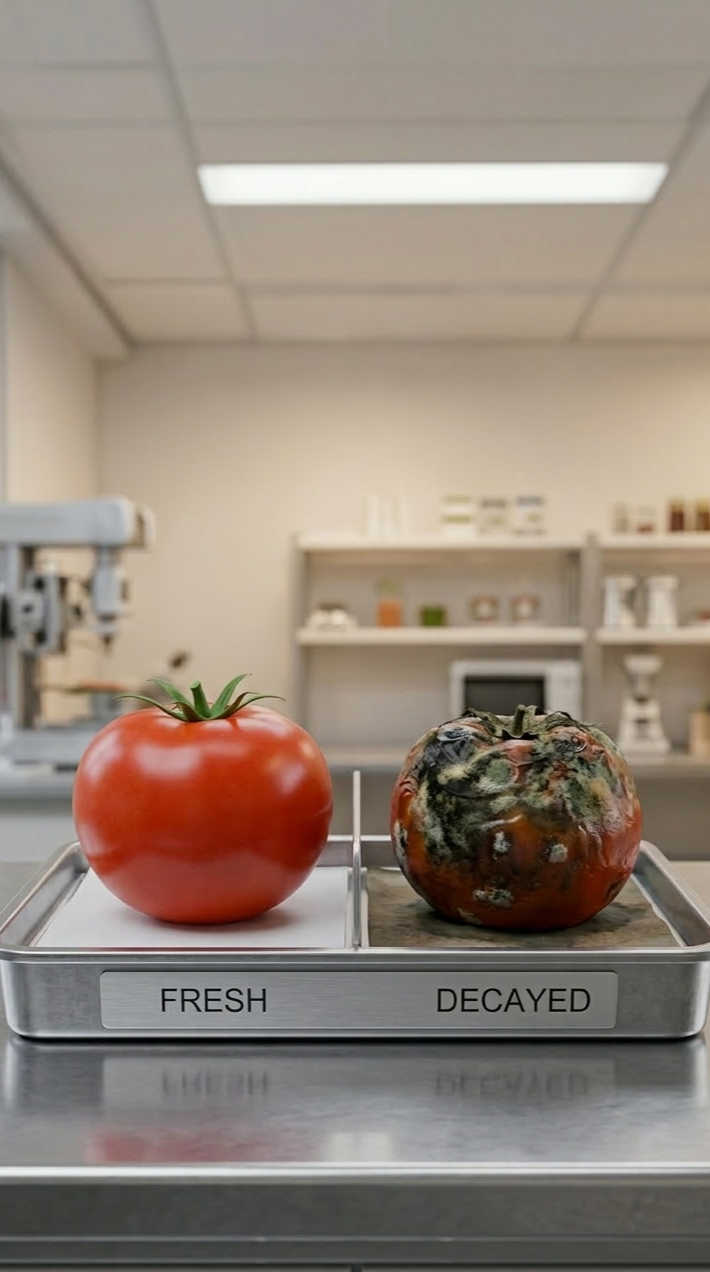
How freezing affects your food
Why salt and sugar preserve food
The science behind best before dates
Simple preservation methods you can do at home and more
What you can learn:
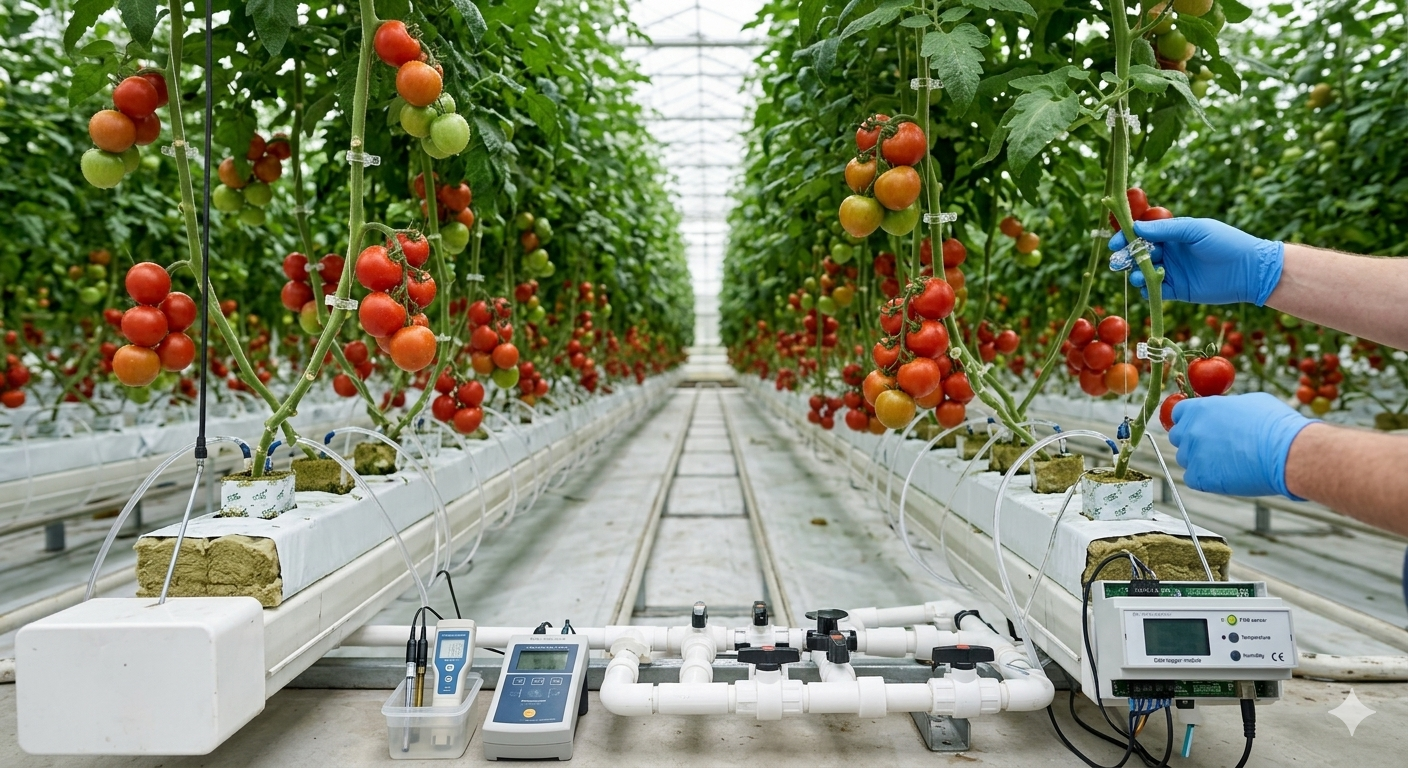
The carbon footprint of food production
Food waste and its global impact
Sustainable food technologies
The future of food and more
What you can learn:
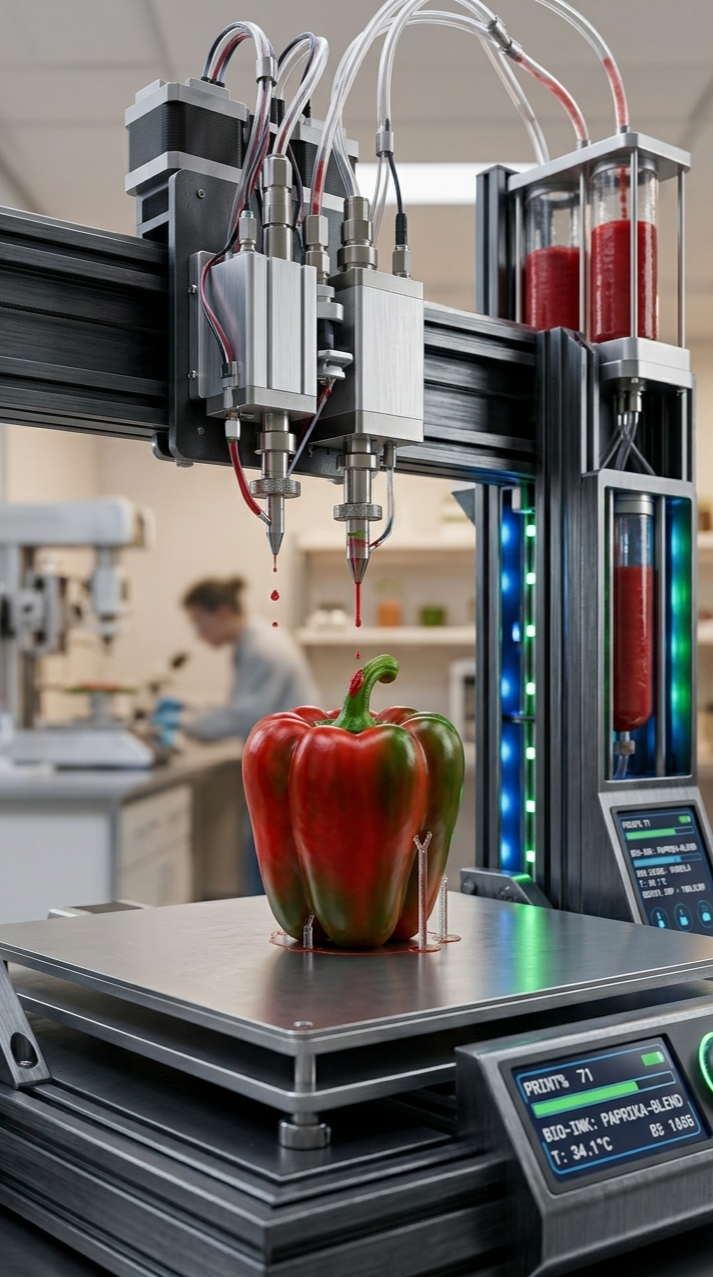
What is lab-grown meat?
Plant-based alternatives explained
How technology is changing what we eat
Is 3D printed food really a thing?
And much more
What you can learn:
Why resting meat matters
Why pasta water is so useful
Why cold butter makes better pastry
What happens when you overcook vegetables and more